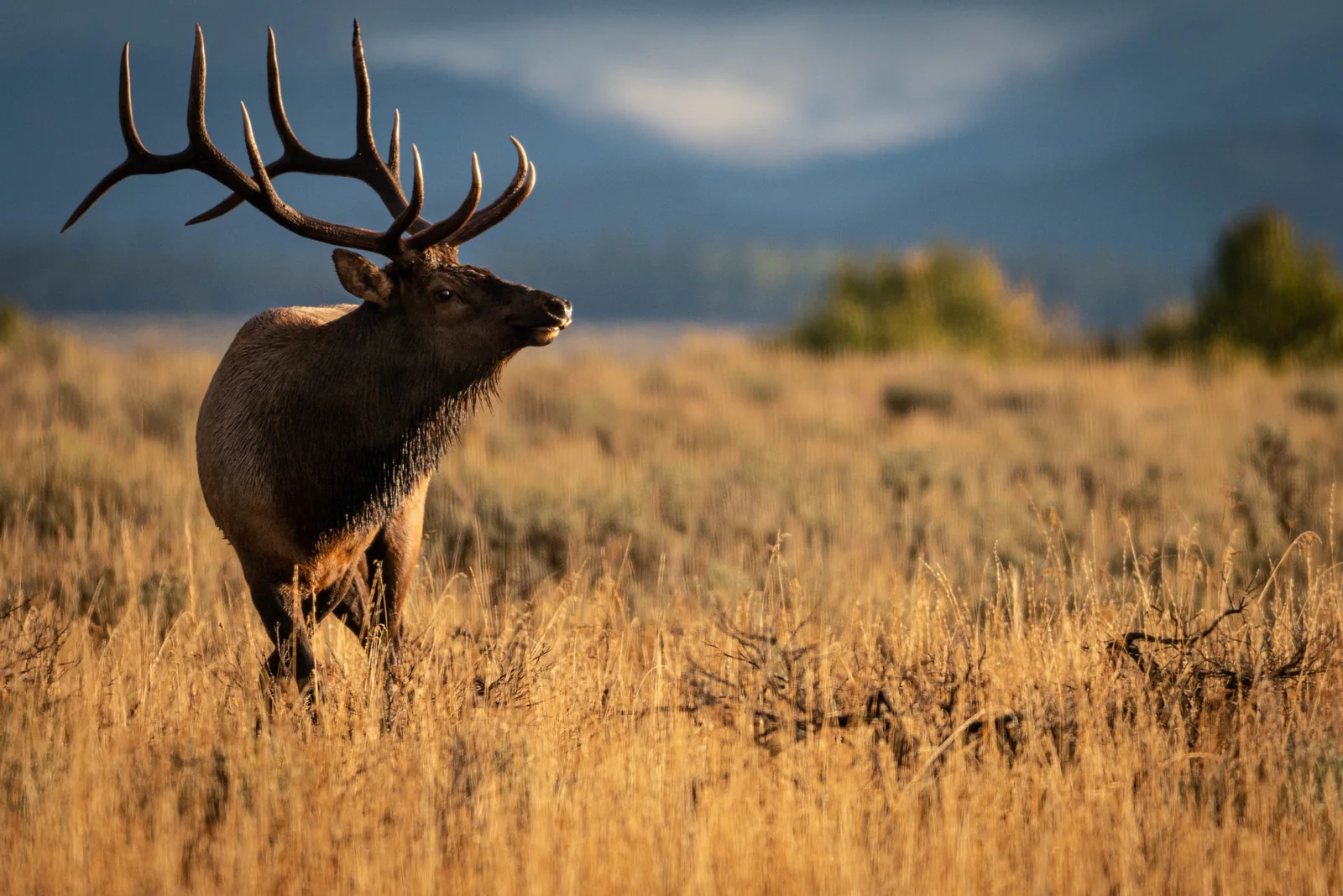
Bull elk in fall. The 2026 reduction program is limited to cows and calves, not bulls. · NPS/C. Adams · Official image source · No claim to original U.S. Government works.
The Wyoming park authorizes 40 permits for a November 14–December 6 program in Area 75. Visitors may still enter the area and are urged to wear bright colors.
Most Yellowstone interior roads and two major Grand Teton routes are closed to regular vehicles, while Wyoming's high-mountain highways remain condition-dependent and Fossil Butte is on its winter schedule.
Fire crews may begin November 9 near Colter Bay, Beaver Creek, Elk Ranch and Kelly Pit; ignition dates depend on snow, weather and smoke-dispersal conditions.
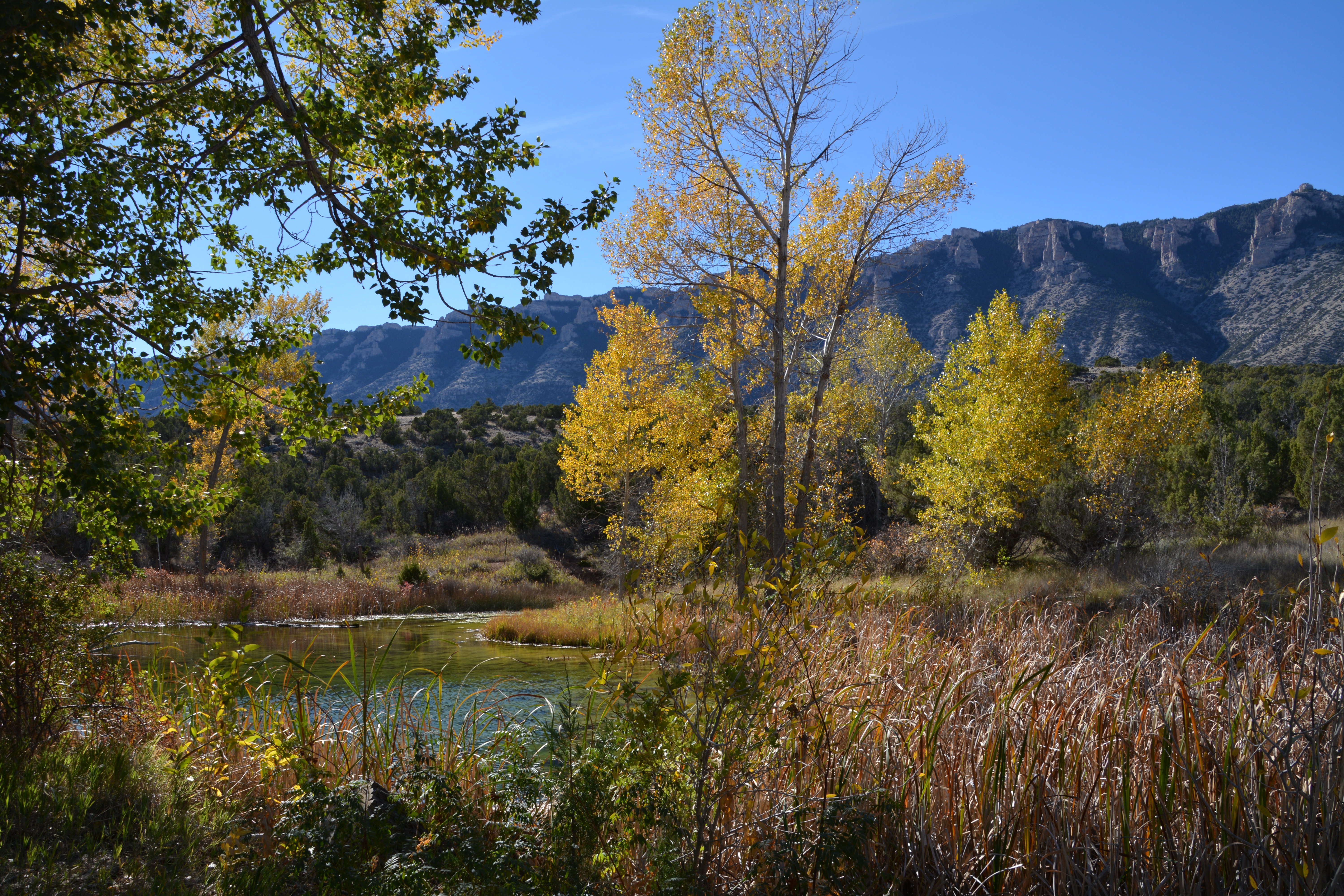
Fall color around Bighorn Canyon National Recreation Area, where the National Park Service has published late-fall visitor guidance and programs. · NPS/Jenna Schauer · Official image source · No claim to original U.S. Government works.
The National Park Service update covers Lovell visitor-center hours, Nov. 3-17 wood collection, lake-launch thresholds and ranger programs through Dec. 3.
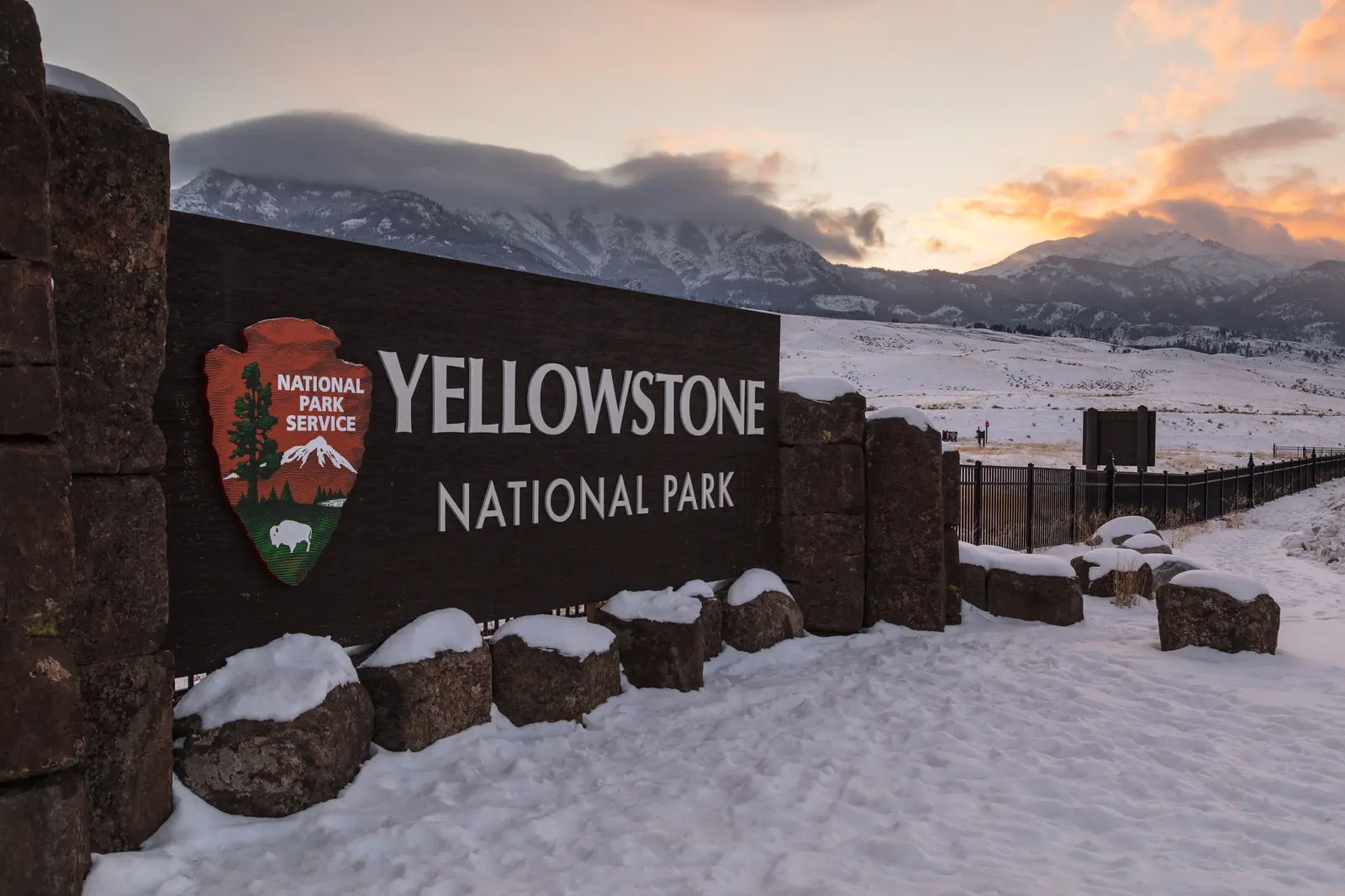
Yellowstone's North Entrance in winter. The North-to-Northeast Entrance road is the park's only corridor generally open to regular vehicles year-round, weather permitting. · NPS / Jacob W. Frank · Official image source · No claim to original U.S. Government works.
October 31 is the final day for regular vehicles on most park roads. The North-to-Northeast Entrance route remains open, weather permitting, while oversnow travel is scheduled to begin December 15.
Follow in the footsteps of over 250,000 emigrants who traveled to the gold fields and rich farmlands of California during the 1840s and 1850s: the greatest mass migration in American history. The California National Historic Trail is over 5,000 miles long and covers portions of 10 states. Step into history along more than 1,000 miles of ruts and traces from travelers and their overland wagons.
It is hard to believe that young men once rode horses to carry mail from Missouri to California in the unprecedented time of only 10 days. This relay system along the Pony Express National Historic Trail in eight states was the most direct and practical means of east-west communications before the telegraph.
Imagine yourself an emigrant headed for Oregon: would promises of lush farmlands and a new beginning lure you to leave home and walk for weeks? More than 2,000 miles of trail ruts and traces can still be seen along the Oregon National Historic Trail in six states and serve as reminders of the sacrifices, struggles, and triumphs of early American settlers.
Explore the Mormon Pioneer National Historic Trail across five states to see the 1,300-mile route traveled by Mormons who fled Nauvoo, Illinois, to the Great Salt Lake Valley in 1846-1847.
The vast, wild landscape of Bighorn Canyon National Recreation Area offers visitors unparalleled opportunities to immerse themselves in the natural world, and experience the wonders of this extraordinary place. With over 120,000 acres, one can find an astounding diversity in ecosystems, wildlife, and more than 10,000 years of human history to explore.
The Tower is an astounding geologic feature that protrudes out of the prairie surrounding the Black Hills. It is considered sacred by Northern Plains Indians and indigenous people. Hundreds of parallel cracks make it one of the finest crack climbing areas in North America. Devils Tower entices us to learn more, explore more and define our place in the natural and cultural world.
Originally established as a private fur trading fort in 1834, Fort Laramie evolved into the largest and best-known military post on the Northern Plains before its abandonment in 1890. Nicknamed the “Grand Old Post,” Fort Laramie witnessed the entire sweeping saga of America’s western expansion and Indian resistance to encroachment on their territories.
In the ridges of southwest Wyoming are some of the best-preserved fossils in the world. They tell the story of ancient life in a warm, wet environment in and around a freshwater lake. Stingrays swam in the lake. Turtles basked in the sun. Leaves rustled in the breeze while early horses darted between the trunks. We reveal more of the past with each fossil found.
Soaring over a landscape rich with wildlife, pristine lakes, and majestic alpine vistas, the Teton Range stands as a testament to generations of stewards. For over 11,000 years, communities have thrived in the valley known as Jackson Hole, turning these mountains into more than just peaks—they embody imagination and enduring human connection.