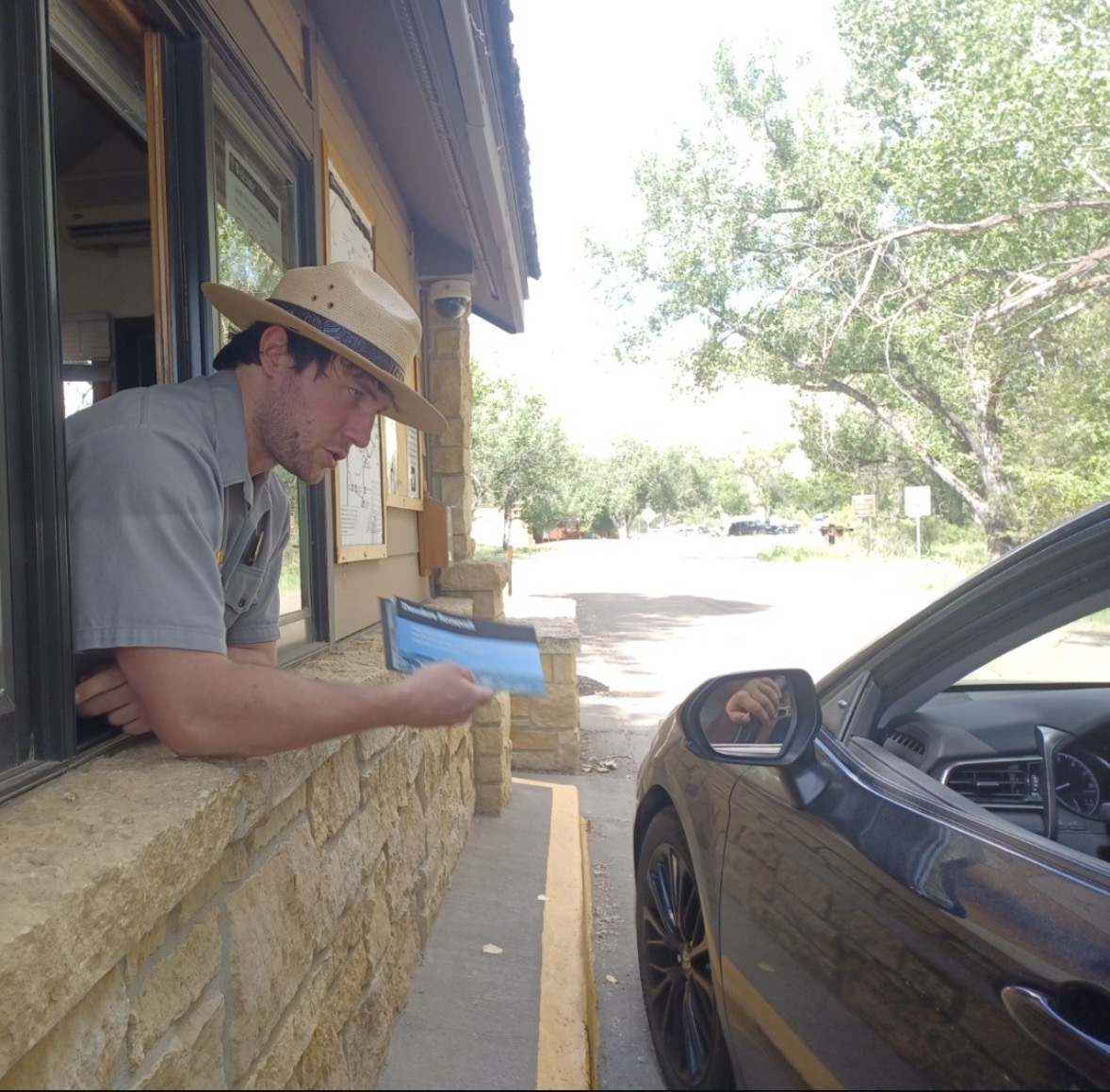
Starting May 1, Theodore Roosevelt National Park will accept only credit cards, debit cards, or digital payments for entrance fees, campground fees, and Interagency Passes. Cash and check payments will no longer be accepted.
On all maps used on mobile devices, use the following address to reach the South Unit Visitor Center and Entrance Station 201 East River Road N. Medora, ND 58645
Directions to the Petrified Forest trailhead have changed. Please use the approved legal route from I-94, Exit 10 toward Camels Hump Lake and follow the clearly marked posts. This update helps maintain good cooperation with neighbors and respect park boundaries. For precise directions, use the link provided.
The National Park Service is partnering with the Theodore Roosevelt Presidential Library to loan artifacts and interpretive materials from national park collections as the new library honoring America’s 26th president prepares to open July 4, 2026, during the nation’s 250th anniversary celebration.
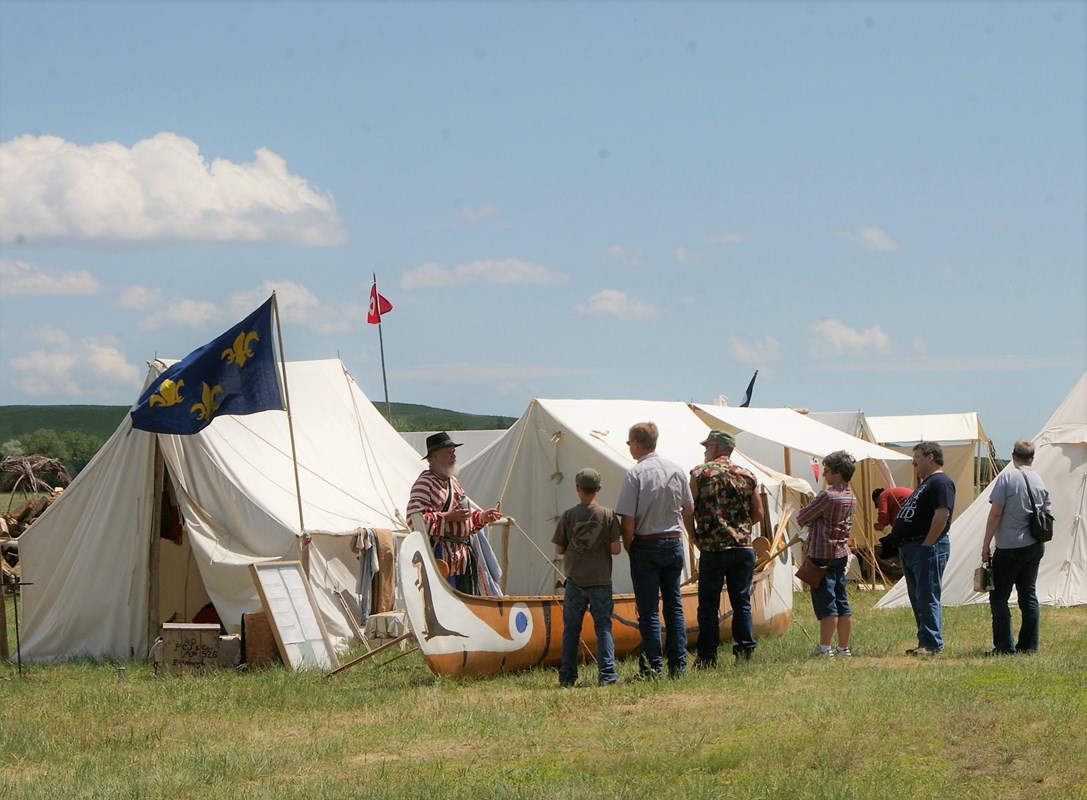
Fort Union Trading Post National Historic Site is set to come alive with the sights, sounds, smells and excitement of the American Frontier during the annual Rendezvous taking place June 18-21, 2026.
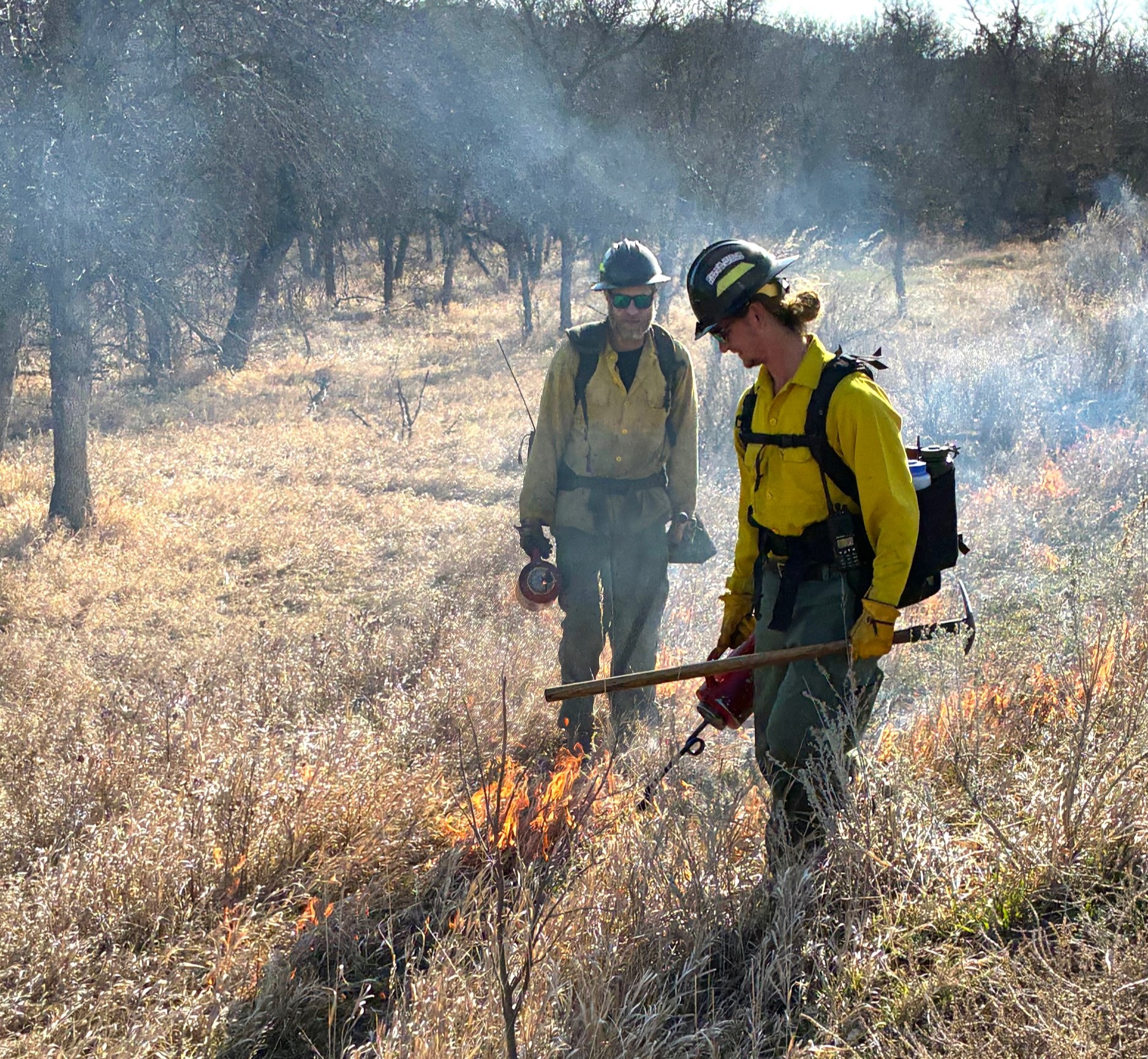
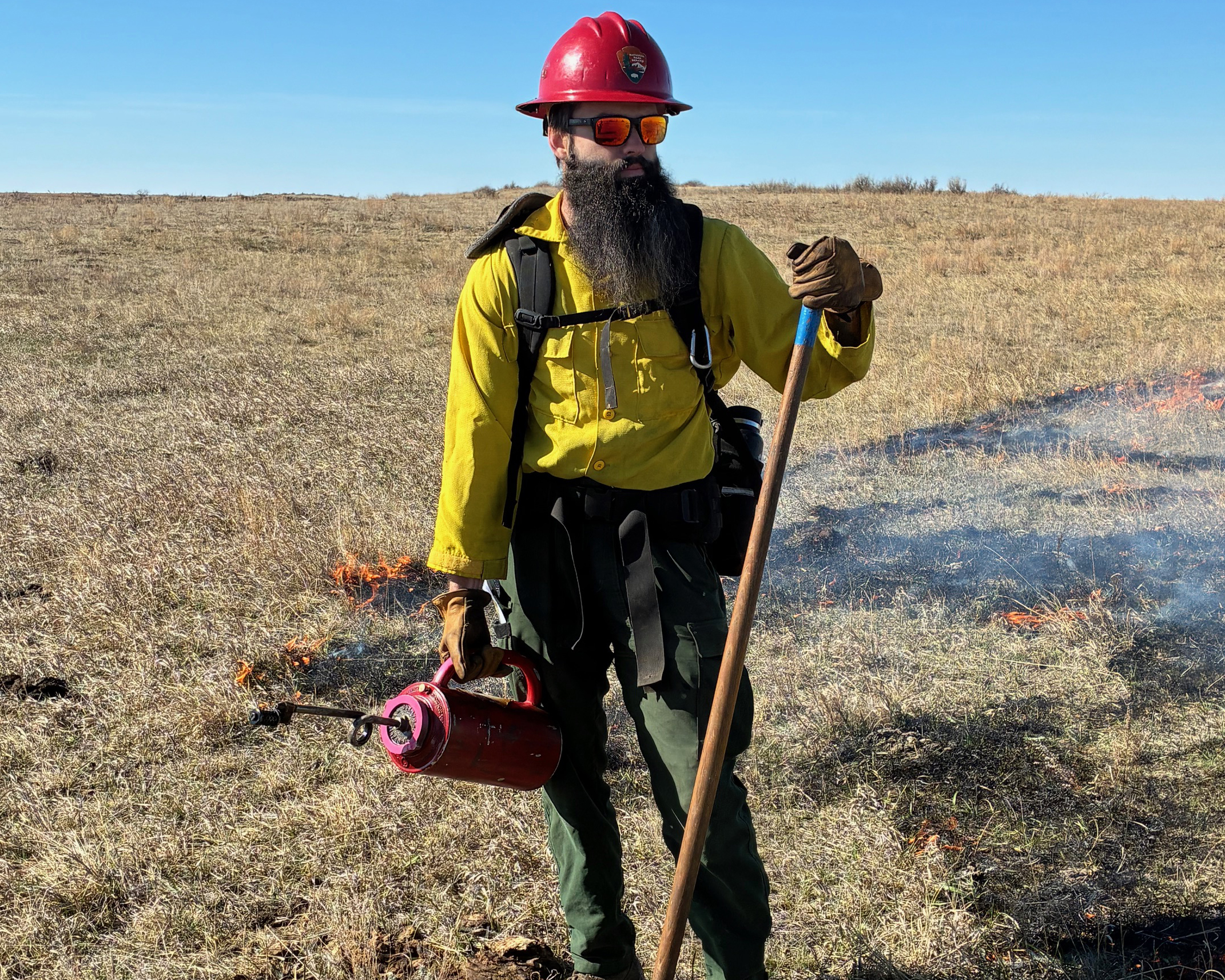
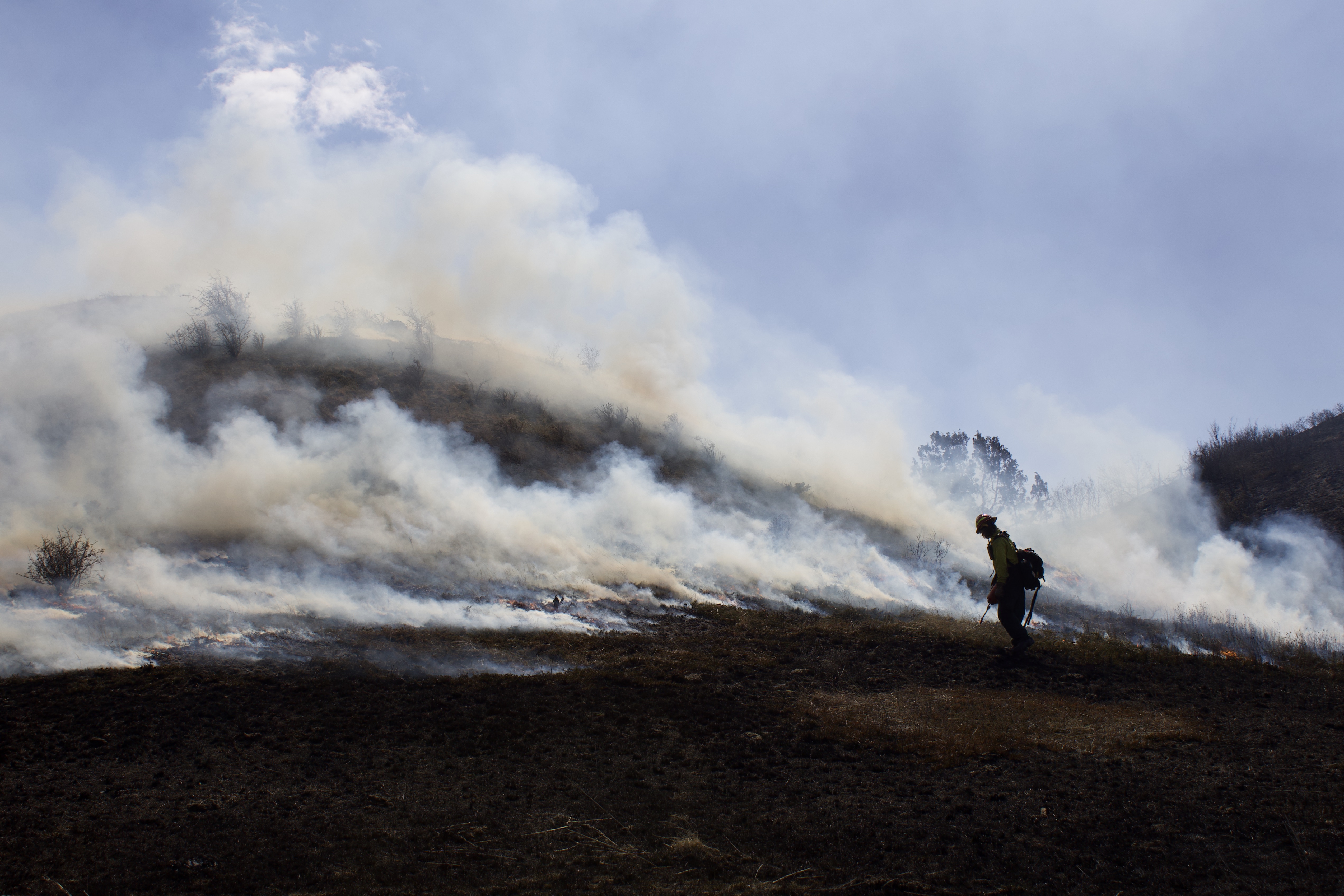
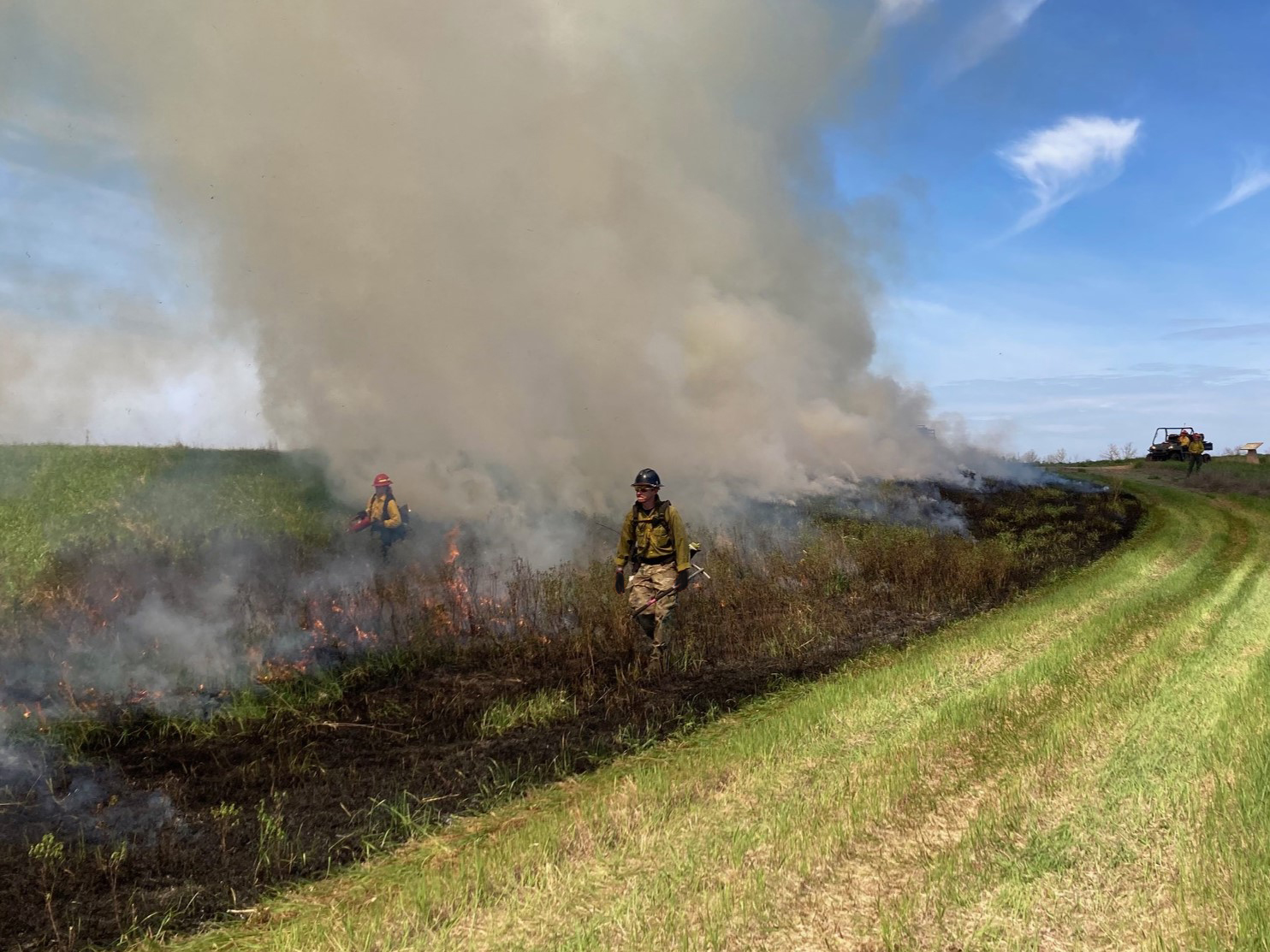
The National Park Service has scheduled prescribed fires on federal lands in Mercer County this Spring depending on environmental conditions. These prescribed fires will reduce wildfire risks and enhance wildlife habitat and native plant restoration.
The National Park Service has scheduled a prescribed fire on federal lands in Williams County this Spring depending on environmental conditions. The current plan is to burn approximately 15 acres of grassland near the maintenance shop.
Beginning May 1, 2026, Theodore Roosevelt National Park will transition to a fully cashless fee system. Entrance fees and other in-person sales will be processed using mobile payments, credit cards, or debit cards at park sales outlets. The transition to electronic payment is safer, reduces transaction times, and improves accountability.
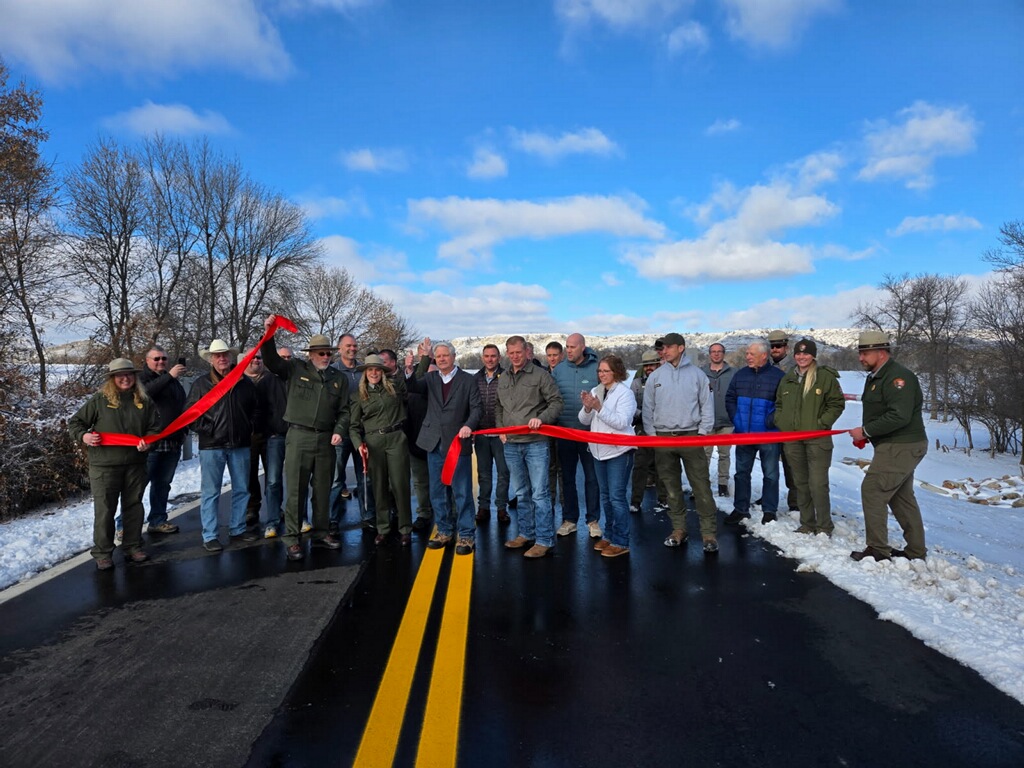
The public reopening of an iconic roadway was celebrated today in Theodore Roosevelt National Park. A ribbon-cutting ceremony marking the completion of the approximately $51 million South Unit Scenic Loop Road rehabilitation project featured remarks by U.S. Senator John Hoeven, U.S. Senator Kevin Cramer, National Park Service Regional Director Bert Frost, and Park Superintendent Rachel Daniels.
Theodore Roosevelt National Park will host the Dakota Nights: Astronomy Festival on Friday, August 22 and Saturday, August 23, inviting the public to celebrate the wonders of the night sky in a unique national park setting.
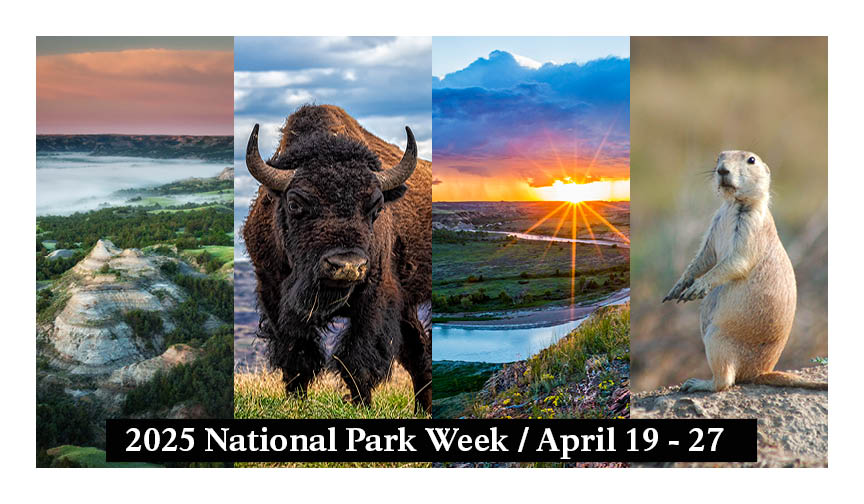
Love national parks? There's a holiday for that! National Park Week is happening April 19 to April 27 this year. Entrance fees will be waived on April 19, 2025, to kick off the celebration and to encourage everyone to enjoy their national parks in person.
On October 1, 2024, the rates for Theodore Roosevelt National Park campgrounds will change. Fee changes will include the Cottonwood Campground, Cottonwood Group site, Juniper Campground, Juniper Group site, and Roundup Group Horse Camp campground.
Theodore Roosevelt National Park is excited to introduce the Junior Wilderness Ranger Program, launching on September 2nd. This new program is designed for both adults and children who are eager to explore, learn, and contribute to the protection of our natural landscapes.
Join us at Theodore Roosevelt National Park for Dakota Nights: Astronomy Festival, where the cosmos come alive under the pristine skies of the North Dakota badlands!
Earlier this spring, a male feral horse began entering Roundup Horse Camp, approaching campers and their riding stock, following riders down the trail, and interfered with the feeding and care of the camper’s horses.
Knife River Indian Villages National Historic Site invites all to join in celebrating the 50th Anniversary of the park. To commemorate this historic milestone, we are hosting a free event, Saturday, August 17th from 10 a.m. to 4 p.m.
In a groundbreaking collaboration, Terrain360, the National Park Service’s (NPS) Lewis and Clark National Historic Trail, and the Lewis and Clark Trust, Inc. is proud to announce a project that aims to map a portion of the Yellowstone River. The mapping will use state-of-the art 360° ultra-high-definition spherical imagery to capture 507 miles of river starting just south of Livingston, Montana to the confluence of the Missouri-Yellowstone Rivers. This monumental endeavor will generate over 1 million ultra-high-resolution images, providing an unparalleled view of this historically significant river.
The Lewis and Clark National Historic Trail winds nearly 4,900 miles through the homelands of more than 60 Tribal nations. It follows the historic outbound and inbound routes of the Lewis and Clark Expedition of 1803-1806 from Pittsburgh, Pennsylvania to the Pacific Ocean. Follow the trail to find the people, places, and stories that make up the complex legacy of the expedition.
Come to the North Country. Trek the hills and valleys. Stand on the shores of lakes & streams from glaciers 10,000 years before. Clear-flowing water, red/gold of autumn, a fairyland of snow, open prairies, and distant horizons paint the land. Historic sites along the way tell how America settled and grew as a nation. From North Dakota to Vermont, adventure is never far away.
Between 1828 and 1867, Fort Union was the most important fur trade post on the Upper Missouri River. Here, the Assiniboine and six other Northern Plains Tribes exchanged buffalo robes and smaller furs for goods from around the world, including cloth, guns, blankets, and beads. A bastion of peaceful coexistence, the post annually traded over 25,000 buffalo robes and $100,000 in merchandise.
Earthlodge people hunted bison and other game, but were in essence farmers living in villages along the Missouri and its tributaries. The site was a major Native American trade center for hundreds of years prior to becoming an important market place for fur traders after 1750.
When Theodore Roosevelt came to Dakota Territory to hunt bison in 1883, he was a skinny, young, spectacled dude from New York. He could not have imagined how his adventure in this remote and unfamiliar place would forever alter the course of the nation. The rugged landscape and strenuous life that TR experienced here would help shape a conservation policy that we still benefit from today.