Due to a water shortage, flushable toilets are currently unavailable at the Ok-A-Beh Marina. Vault toilets are available at the upper parking lot and a floating restroom is available on the courtesy dock.
When lake levels are below 3625, boaters are advised to avoid areas south of Horseshoe Bend and the South Narrows due to low water levels. Throughout the year, lake water levels fluctuate greatly. Hazards and launching abilities change with the water levels. Please use caution when recreating on Bighorn Lake.
The primary phone line is experiencing intermittent service disruptions. If you are unable to reach staff, please email us at libi_information@nps.gov. Please understand that emails will not be answered immediately. The park's website will have the most up-to-date information.
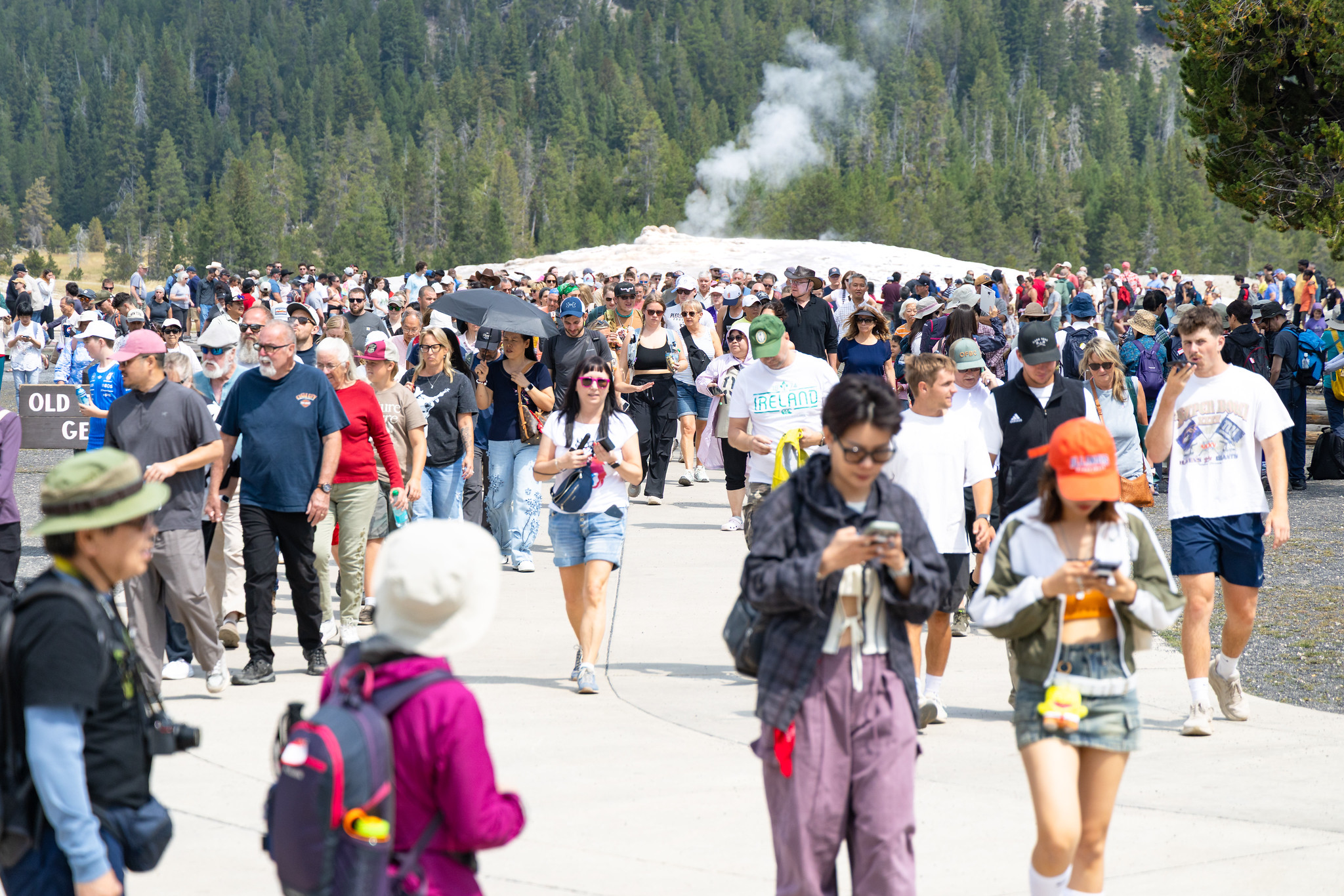
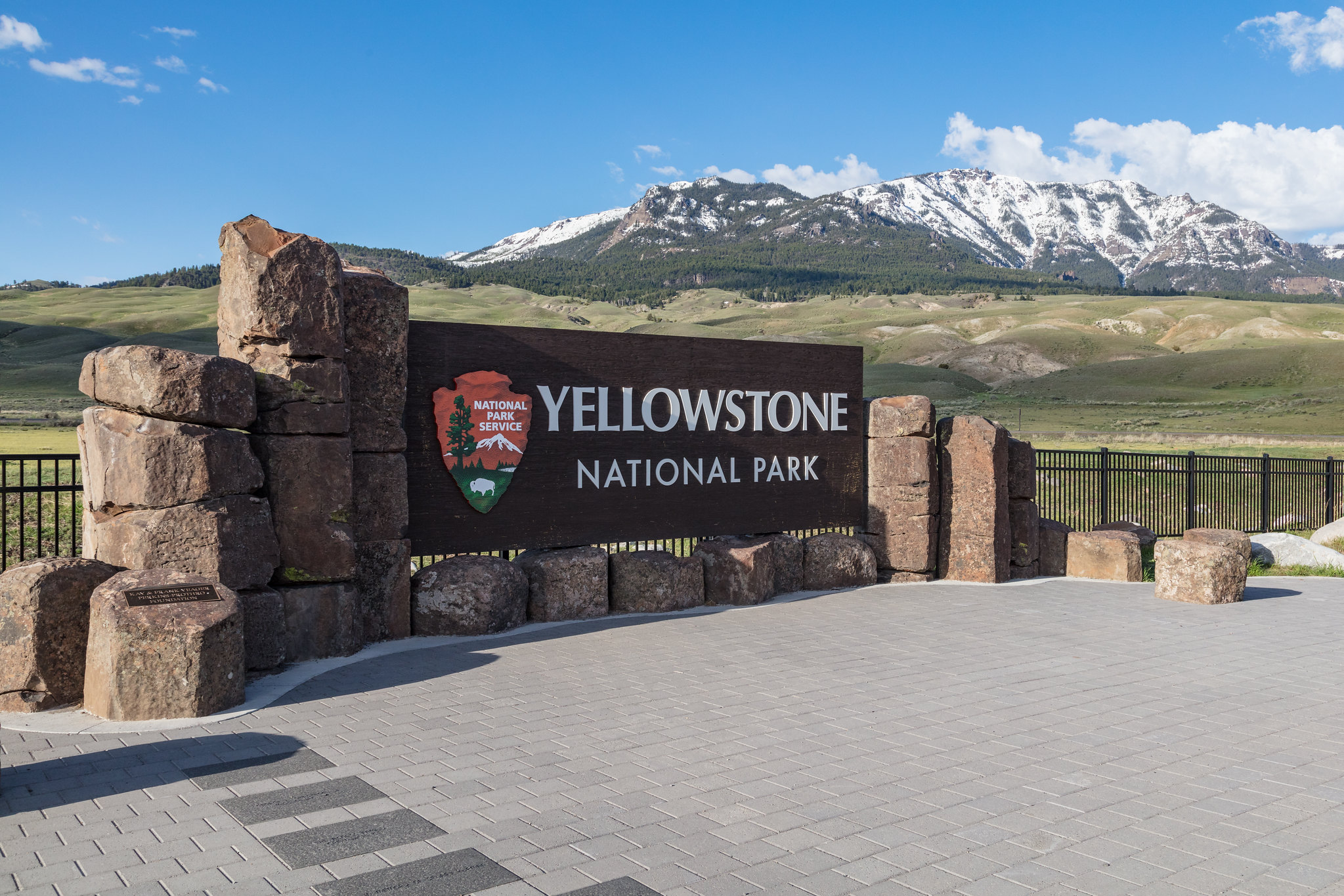
Although an entrance pass is required to enter Yellowstone National Park, vehicle reservations are not needed. You are encouraged to purchase an entrance pass before arriving, but you may also purchase passes at any entrance station upon arrival.
The Going-to-the-Sun Road is fully open for the 2026 summer season. The road may now be accessed by motorized vehicles over Logan Pass from both the West Glacier and St. Mary Entrances.
The parking lot, boardwalk, and Firehole River at Biscuit Basin, located north of Old Faithful, is closed to all travel until further notice due to the possibility of another event at the site of a hydrothermal explosion that occurred July 23, 2024.
Due to construction, oversized vehicles will not be allowed to park in the visitor center parking lot due to lack of space and ability to turn-around safely. There is oversized parking along the main park road.
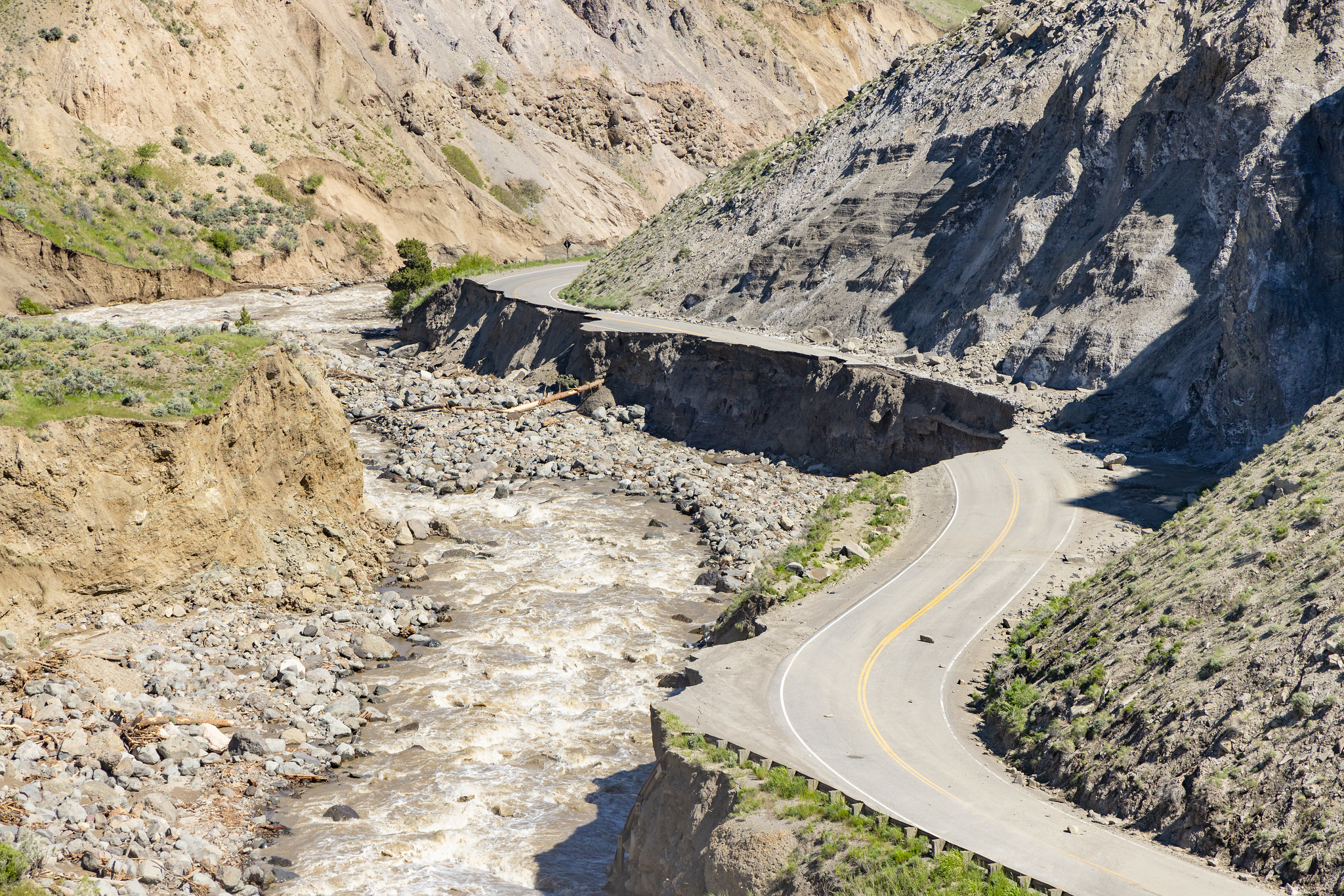
The National Park Service (NPS) signed a Finding of No Significant Impact (FONSI) and associated Wetlands/Floodplains Statement of Findings (SOF) to reconstruct the North Entrance Road between Mammoth Hot Springs, Wyoming, and Gardiner, Montana, in Yellowstone National Park.
The Department of the Interior today announced that Yellowstone National Park Superintendent Cameron “Cam” Sholly will conclude nearly three decades of federal service and almost eight years leading America’s first national park.
WEST GLACIER, Mont. – Going-to-the-Sun Road has reopened after park officials made the proactive decision to close it at 5 p.m. on September 6, 2026, due to heavy rain and possible rockfall that made the road susceptible to flooding and mudslides.
WEST GLACIER, Mont. – Glacier National Park today announced that shuttle service and three-hour time limit for parking at Logan Pass will end for the season. Parking at Logan Pass will return to first-come, first-served availability, allowing the public to park without a time limit until the alpine section of Going-to-the-Sun Road closes for the winter season.
WEST GLACIER, Mont. – Glacier National Park is implementing a temporary road closure of the alpine sections of Going-to-the-Sun Road. The closure will extend from Avalanche to Jackson Glacier Overlook at 5:00 p.m. on Sunday, September 6, 2026.
WEST GLACIER, Mont. – Glacier National Park is implementing a temporary road closure of the alpine sections of Going-to-the-Sun Road. The closure will extend from Avalanche to Jackson Glacier Overlook at 5:00 p.m. on Sunday, September 6, 2026.
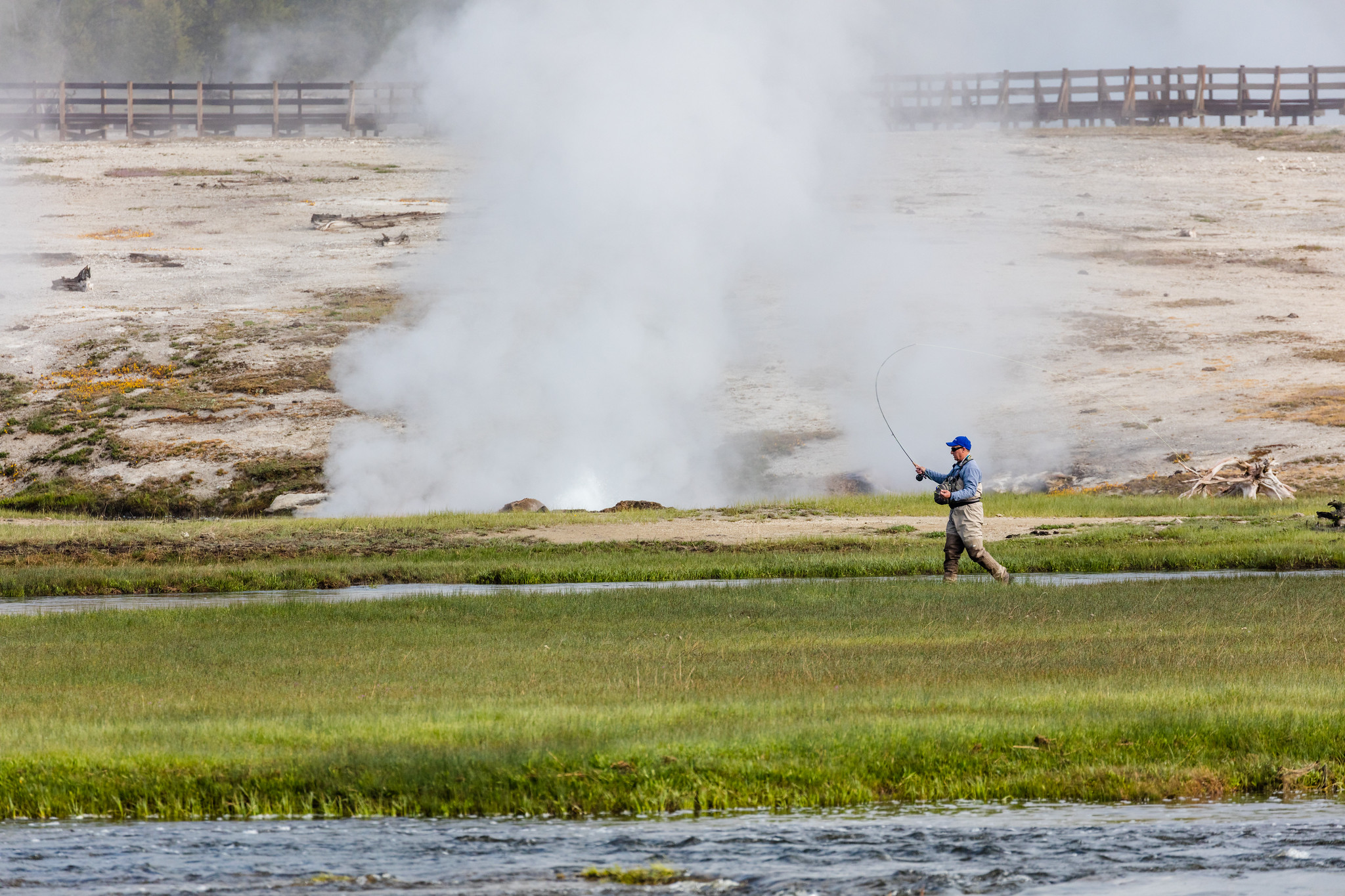
Effective Friday, Sept. 4, the remaining fishing restrictions on the Firehole, Madison and Gibbon (downstream of Norris Campground) rivers and all associated tributaries will be lifted due to cooling weather and water temperatures. Anglers will be able to fish these rivers, in addition to most other park rivers, streams and lakes, daily from sunrise to sunset as specified in the 2026 Fishing Regulations booklet.
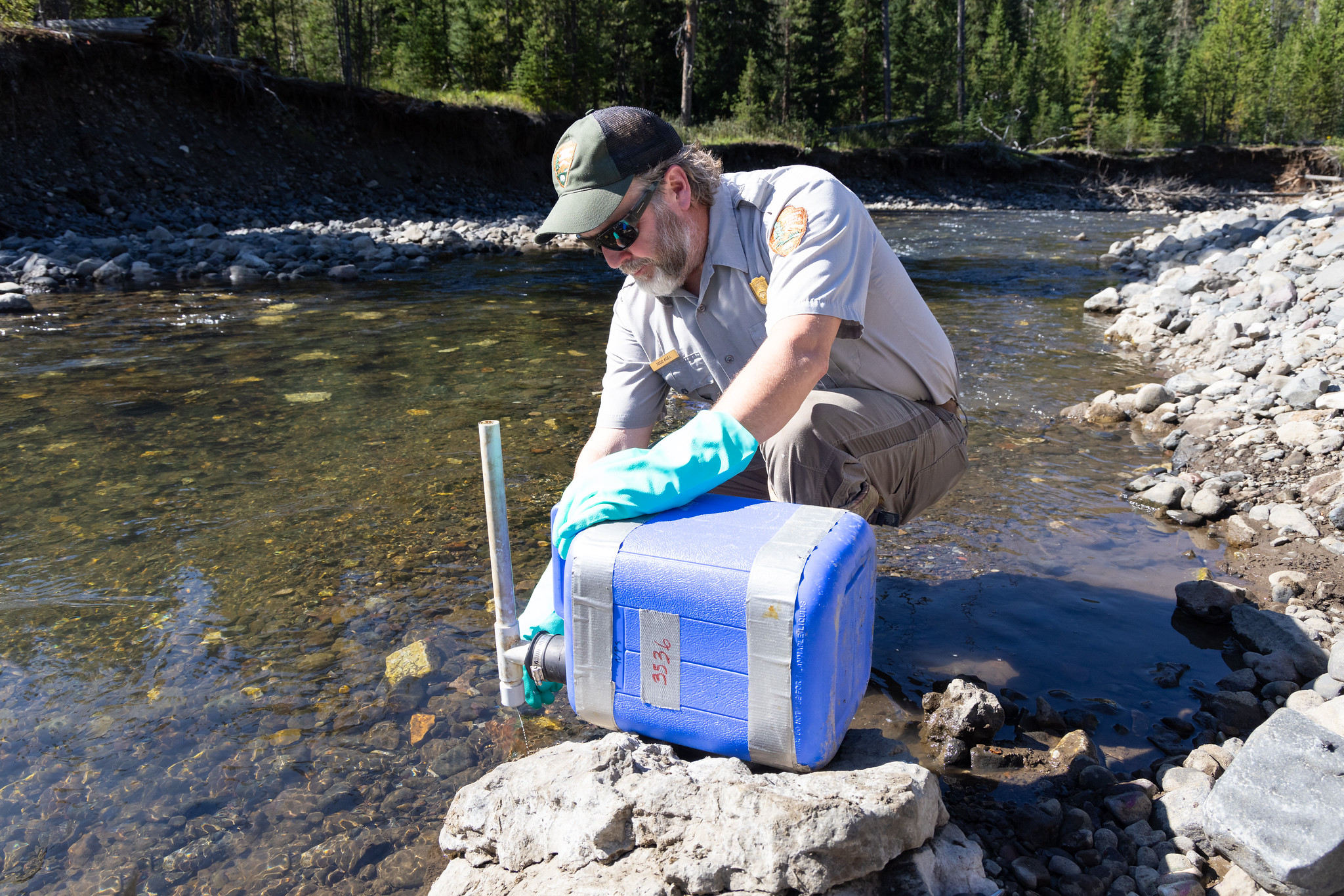
Beginning Aug. 31, Yellowstone National Park will temporarily close Buffalo Creek, a tributary of Slough Creek in the northern part of the park, for treatment to remove invasive fish as part of ongoing conservation efforts to preserve native species. It will reopen to the public on Sept. 7.
WEST GLACIER, Mont. – Glacier National Park will host volunteer training for its annual Hawk Watch Program on Sept. 21 and Hawk Watch Open House on Oct. 3.
Celebrate America’s Story at Bighorn Canyon National Recreation Area During National Park Week Bighorn Canyon National Recreation Area invites visitors of all ages to “Celebrate America’s Story” during National Park Week, August 22–30, 2026, and to take part in a full season of engaging programs running through September. With hands-on activities, stewardship opportunities, and adventures on land and water, Bighorn Canyon offers a memorable way to experience the landscapes and stories that define our nation.
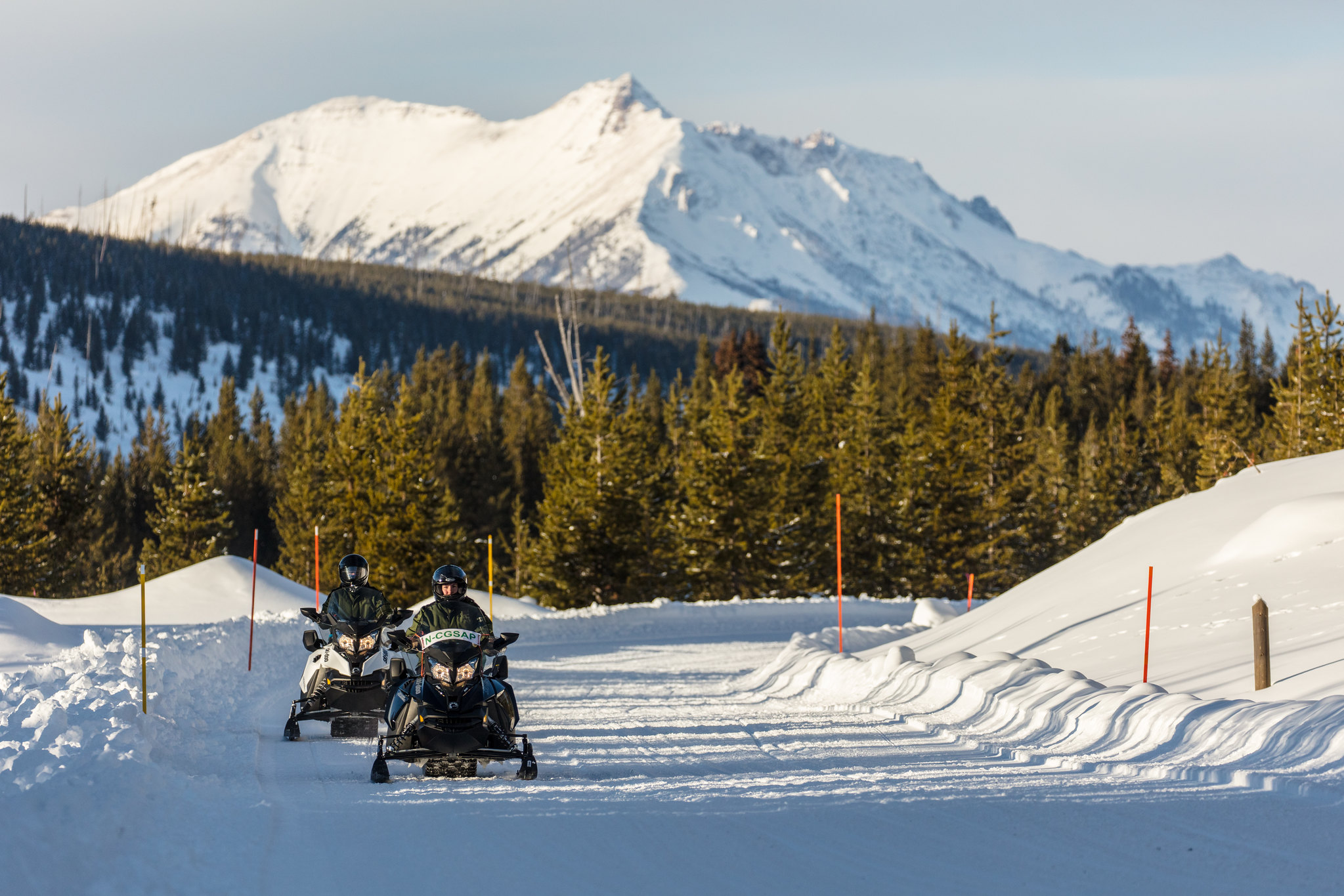
Beginning Saturday, Aug. 1, people may apply to the 2026-2027 winter lottery for permits to snowmobile in Yellowstone National Park without a commercial guide.
WEST GLACIER, Mont. [July 15, 2026] – Glacier National Park will begin work in late July to plug the historic Butte Oil Well at Kintla Lake. The well, which predates the establishment of the park, was selected for plugging after monitoring detected leaking gases. Work is expected to continue for several weeks and be completed in fall 2026.
Yellowstone has lifted the remaining temporary trail, backcountry campsite and fishing closures near Old Faithful that were put in place after a May 4 bear incident in which two hikers were injured by an adult female grizzly bear with cubs.
At the end of the last Ice Age, 18,000 to 15,000 years ago, an ice dam in northern Idaho created Glacial Lake Missoula stretching 3,000 square miles around Missoula, Montana. The dam burst and released flood waters across Washington, down the Columbia River into Oregon before reaching the Pacific Ocean. The Ice Age Floods forever changed the lives and landscape of the Pacific Northwest.
The Lewis and Clark National Historic Trail winds nearly 4,900 miles through the homelands of more than 60 Tribal nations. It follows the historic outbound and inbound routes of the Lewis and Clark Expedition of 1803-1806 from Pittsburgh, Pennsylvania to the Pacific Ocean. Follow the trail to find the people, places, and stories that make up the complex legacy of the expedition.
Since time immemorial, the valleys, prairies, mountains, and plateaus of the inland northwest have been home to the nimíipuu (Nez Perce) people. Extremely resilient, they survived the settling of the United States and adapted to a changed world. Nez Perce National Historical Park consists of 38 places important to the history and culture of the nimíipuu. Explore these places. Learn their stories.
On August 9, 1877, gunshots shattered a chilly dawn on a sleeping camp of nimí·pu· (Nez Perce). By the time the smoke cleared on August 10, almost 90 nimí·pu· were dead, along with 31 soldiers and volunteers. Big Hole National Battlefield was created to honor all who were there.
The vast, wild landscape of Bighorn Canyon National Recreation Area offers visitors unparalleled opportunities to immerse themselves in the natural world, and experience the wonders of this extraordinary place. With over 120,000 acres, one can find an astounding diversity in ecosystems, wildlife, and more than 10,000 years of human history to explore.
Between 1828 and 1867, Fort Union was the most important fur trade post on the Upper Missouri River. Here, the Assiniboine and six other Northern Plains Tribes exchanged buffalo robes and smaller furs for goods from around the world, including cloth, guns, blankets, and beads. A bastion of peaceful coexistence, the post annually traded over 25,000 buffalo robes and $100,000 in merchandise.
A showcase of melting glaciers, alpine meadows, carved valleys, and spectacular lakes. With over 700 miles of trails, Glacier is a paradise for adventurous visitors seeking a landscape steeped in human culture. Relive the days of old through historic chalets, lodges, and the famous Going-to-the-Sun Road.
Wide open spaces, the hard-working cowboy, his spirited cow pony, and vast herds of cattle are among the strongest symbols of the American West. Once the headquarters of a 10 million acre cattle empire, Grant-Kohrs Ranch National Historic Site preserves these symbols and commemorates the role of cattlemen in American history.
This land is a place to honor and reflect on the sacrifices made here on June 25 and 26, 1876, when Lakota, Cheyenne, and Arapaho warriors fought against a deliberate attack by the U.S. Army's 7th Cavalry, led by Lt. Col. George Custer, who sought to enforce policies that threatened their traditional way of life. How are the results of the battle felt in the West and Indigenous communities today?