
STATE & NATION TRAVEL · news
Cape Cod plans winter reed removal and a marsh-rebuilding trial at Herring River
By Staff Writer · Published November 17, 2026
NPS plans to clear 15–20 acres of invasive reeds and reuse old ditch sediment near Duck Harbor. The announcement does not establish a visitor closure.
Official announcement: National Park Service · November 16, 2026
Source: NPS November 16 original restoration announcement
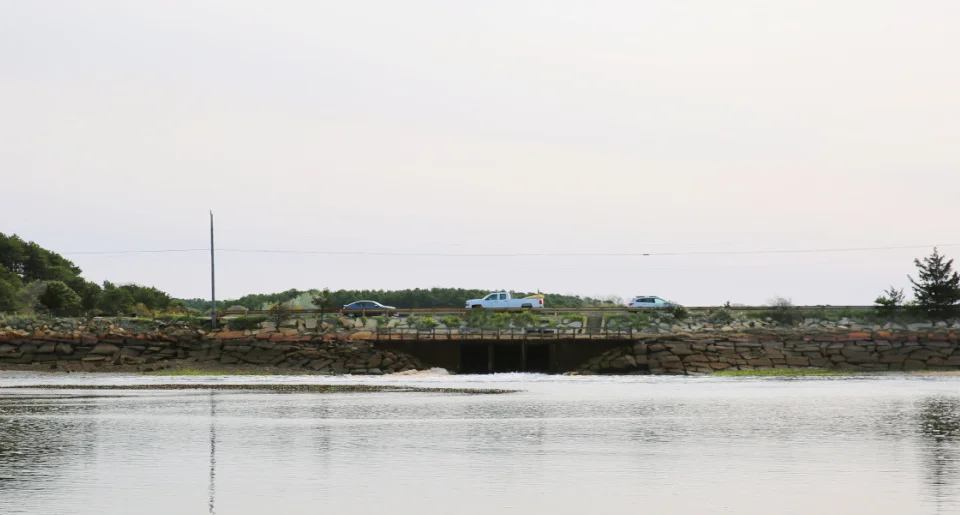
Cape Cod National Seashore plans to remove invasive reeds from 15–20 acres along the lower Herring River, with work starting the week of November 16 and expected to continue into winter 2026–27. The National Park Service announced the operation November 16 as another step toward restoring salt marsh around Wellfleet, Massachusetts.
Contractors will use equipment suited to wet ground to clear Phragmites australis from the river’s main channel. NPS says the work is intended to give native marsh plants room to return. That is the project’s aim, not a finding that vegetation has already recovered.
A second operation, planned to start this winter with Ducks Unlimited, will address the legacy of mosquito-control ditching at Duck Harbor’s eastern edge. Crews will take down sediment ridges left beside channels in the 1920s and move some of that material onto nearby marsh that has sunk. The goal is to improve water movement while testing a way to rebuild ground high enough for saltmarsh vegetation.
NPS says some marsh areas are now up to three feet below comparable marshes on Cape Cod Bay. Reintroducing tides alone could leave those low areas underwater at high tide. Scientists will monitor the trial to help decide how to approach later restoration work; the notice does not promise a completed marsh by spring.
What this means: Visitors to the Herring River landscape may encounter a restoration area in transition, rather than a finished wildlife-viewing improvement. The announcement describes habitat work, not a new public trail, boat launch or scheduled visitor program. It does not announce an access closure, but neither does it establish unrestricted access through every work area.
What Travelers Need to Know
Check the dated project release and the park’s conditions page before an outing near Herring River or Duck Harbor. No exact daily work hours, visitor detour, completion date or public viewing area is supplied in this announcement. Do not use its broad winter schedule as confirmation that a particular route is open; follow local signs and barriers and ask park staff about your intended access point.
For orientation, the conditions page lists Salt Pond Visitor Center as open 9 a.m.–4:30 p.m. Its parking-area restroom building is scheduled for work beginning December 1, with portable toilets available. Province Lands Visitor Center is closed for the season. These are separate visitor-service notices, not closures caused by the Herring River work.
There is no ticketed restoration visit or reservation process announced here. The park’s conditions page warns that tides can limit access and that weather is changeable. Use current tide and weather information for the place you plan to visit, rather than treating a restoration diagram or future bridge design as a route map.
About the Location
The Herring River system extends inland from Wellfleet Harbor toward north Wellfleet and south Truro on outer Cape Cod. It is an estuary whose mix of fresh and salt water supports fish, birds and wetland plants, not a separate visitor attraction with a single entrance or admission desk.
A dike built at Chequessett Neck in 1909 restricted tidal exchange. NPS’s project history explains how drainage and the loss of incoming sediment changed the marsh, encouraged freshwater vegetation and contributed to sinking ground. The larger restoration project combines a replacement bridge and adjustable tide gates with work on channels, roads and vegetation. Tide restoration is phased so its effects can be monitored, which makes this winter’s sediment trial part of a longer process rather than a stand-alone landscaping job.