
STATE & NATION TRAVEL · news
Olympic plans debris-pile burning from October 20 in four park areas
By Staff Writer · Published October 16, 2026
Weather permitting, crews will burn piles in maintenance areas at Mora, Hoh, Elwha and Quinault. Smoke may be visible from nearby roads and trails.
Official announcement: National Park Service · October 16, 2026
Source: NPS October 16 pile-burning announcement
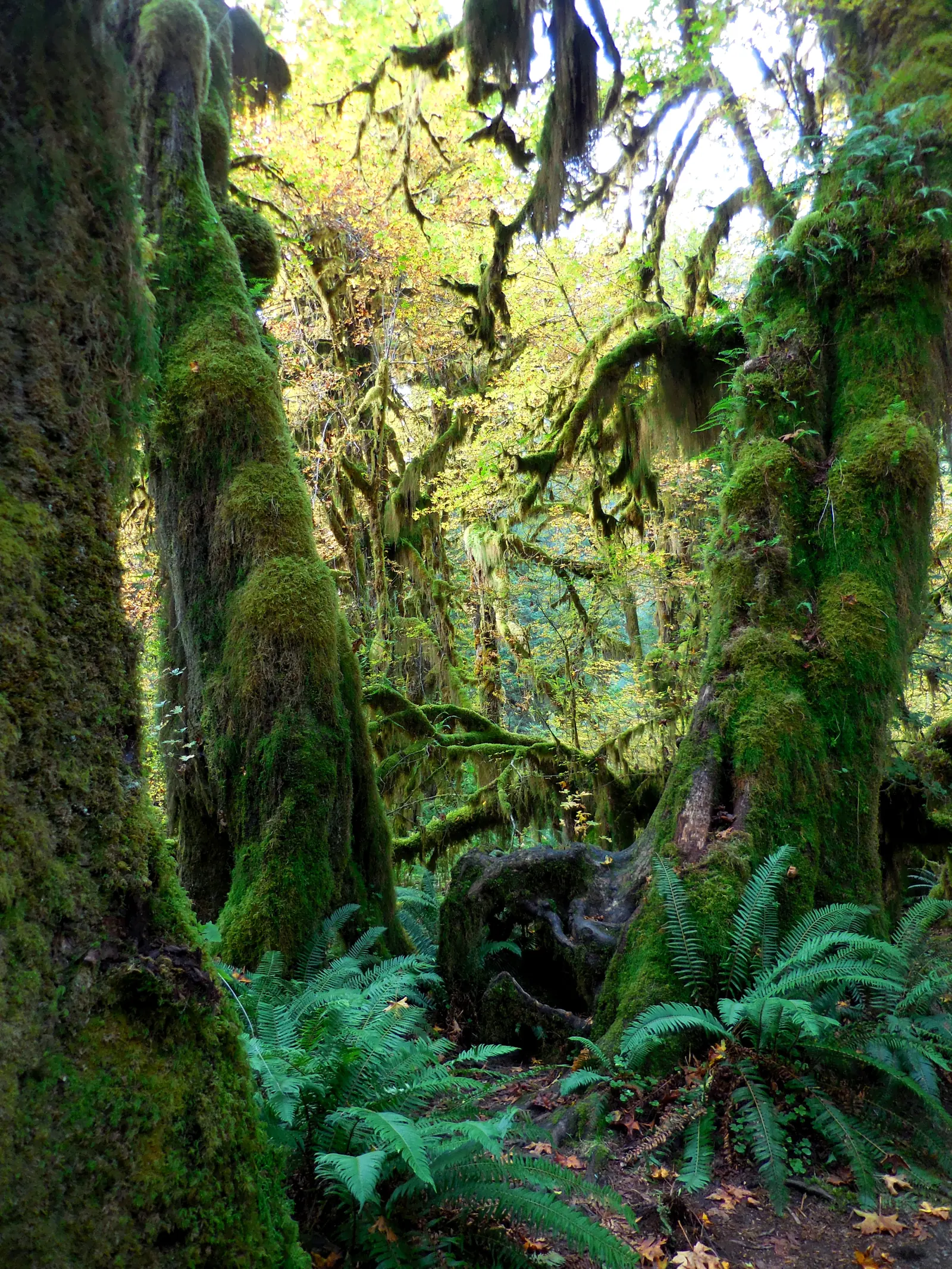
Travelers visiting Olympic National Park from October 20 may encounter smoke from planned burning in maintenance areas at Mora, Hoh, Elwha and Quinault. The park’s October 16 release says the Olympic Interagency Fire Management Team intends to begin burning isolated debris piles when conditions allow.
The material comes from work on the Mount Tom Creek Fire, fuel reduction around park facilities and road maintenance. Burning it is a planned disposal and wildfire-risk-reduction operation. Crews will continue managing the piles until they are extinguished.
The start date is conditional: NPS says operations may be canceled if conditions warrant. The release does not give a completion date, a daily ignition schedule or a closure list for the four areas. It warns that smoke could be seen from surrounding trails and roads and could affect visibility and air quality.
This is a notice about work in maintenance areas, rather than a promise that every visitor route will be unaffected. Existing road and trail restrictions have their own causes and schedules, so travelers should check the route they actually intend to use.
What Travelers Need to Know
Check the park’s current road, trail and fire notices before departure and again near the visit. Do not treat October 20 as a confirmed ignition day or infer a finishing date from the announcement.
Use the AirNow Fire and Smoke Map linked by NPS to check reported smoke and air-quality conditions for the trip. The announcement supplies no forecast for an individual trail or campground.
Follow signs and crew directions around work areas. If smoke affects the planned outing, choose another open area after checking its access conditions; the four named maintenance locations do not define the full reach of smoke.
About the Location
Olympic National Park spans Washington’s Olympic Peninsula, with distinct coastal, river-valley and mountain environments. The Hoh and Quinault valleys are among its temperate rain-forest settings, where wet Pacific weather sustains large conifers and layers of mosses, ferns and other plants.
These forests accumulate woody material through natural processes as well as maintenance and fire-response work. NPS explains that fallen wood provides habitat and seedling-growing sites in rain forests; the October announcement concerns specific debris piles created by park work, rather than a general program to remove all fallen wood.
The park received national-park status in 1938. Its fire and access information is organized by area, which makes checking the intended destination more useful than relying on a single park-wide assumption about conditions.