You don’t have to travel far to find spectacular fall color. National parks across the Washington, D.C., region offer countless ways to experience autumn, from mountain trails and Potomac River views to historic battlefields, urban forests and the National Mall.
As the nation continues to celebrate its 250th anniversary, the National Park Service sites across the National Capital Area are inviting visitors to explore the region’s rich military history and the people and events that shaped the country. Throughout September, living history programs, artillery demonstrations, ranger-guided hikes and other events will connect visitors with stories spanning from 1775 through World War II.
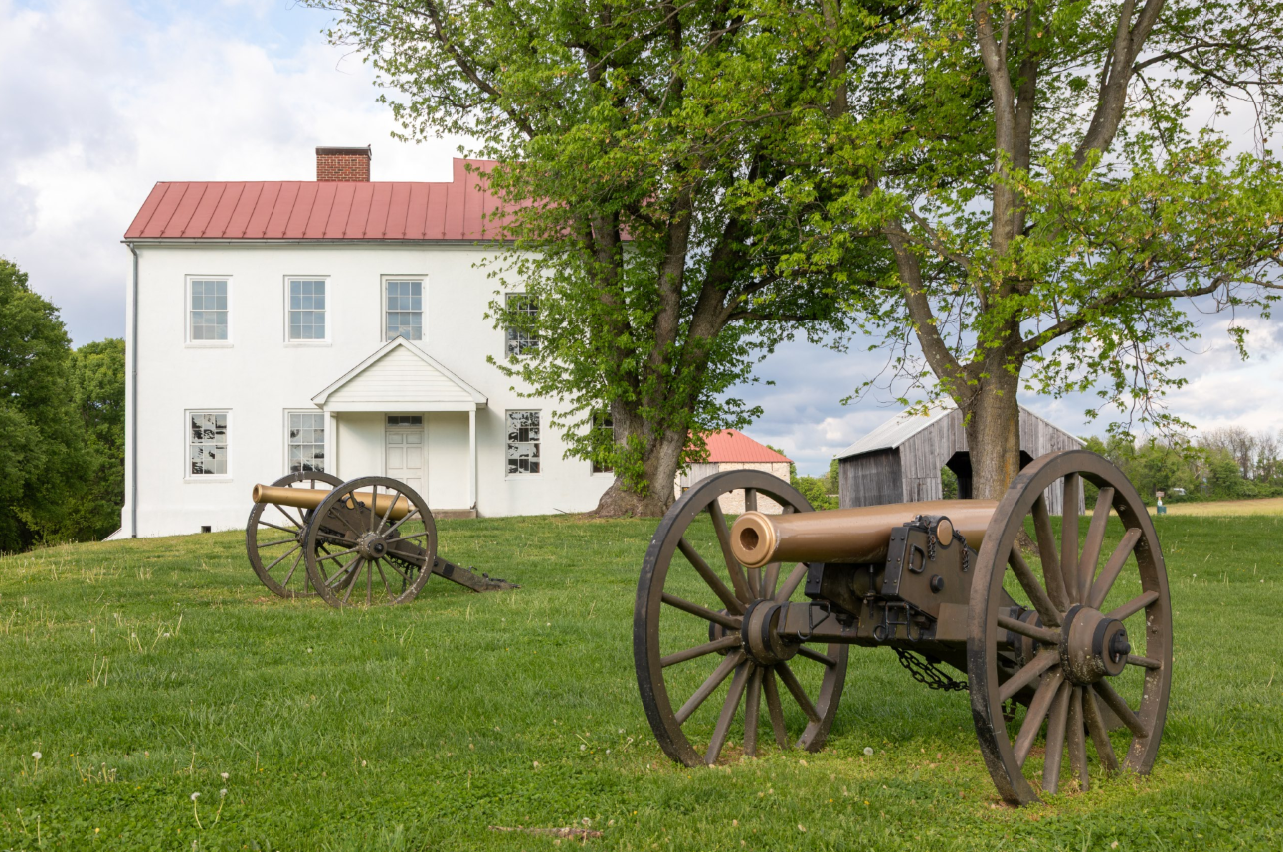
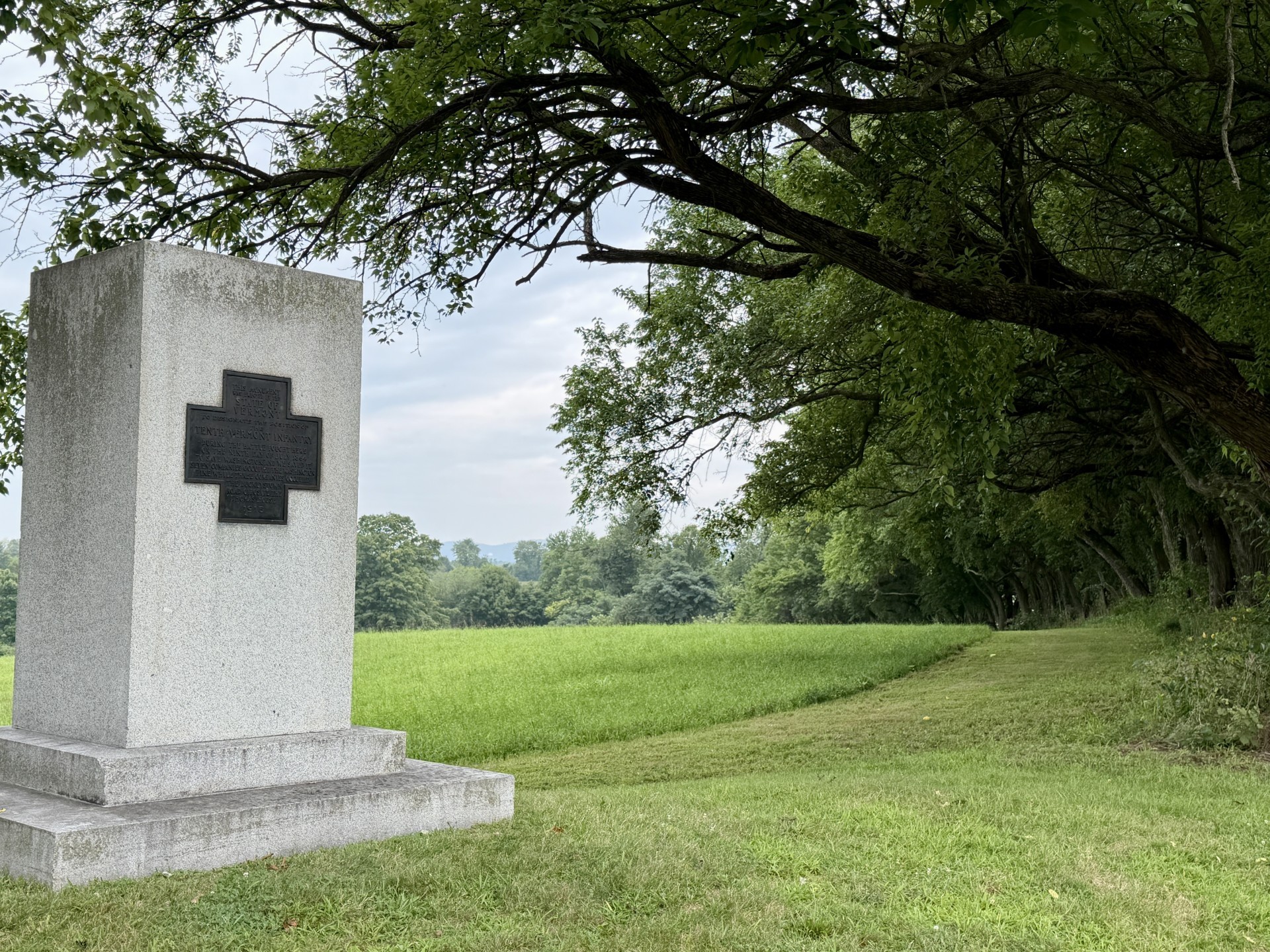
Monocacy National Battlefield is marking America in Motion Monday and the 2026 National Park Week with the opening of a new one-mile Monument Trail at Thomas Farm. The trail gives visitors another way to explore the landscape where some of the fiercest fighting of the Battle of Monocacy unfolded on July 9, 1864.
The National Park Service is excited to welcome visitors to celebrate National Park Week from Saturday, August 22 through Sunday, August 30, as dozens of sites across the region mark the 2026 theme, “Celebrate America’s Story,” highlighting the 250th anniversary of American independence and recognizing our shared American heritage of national parks.
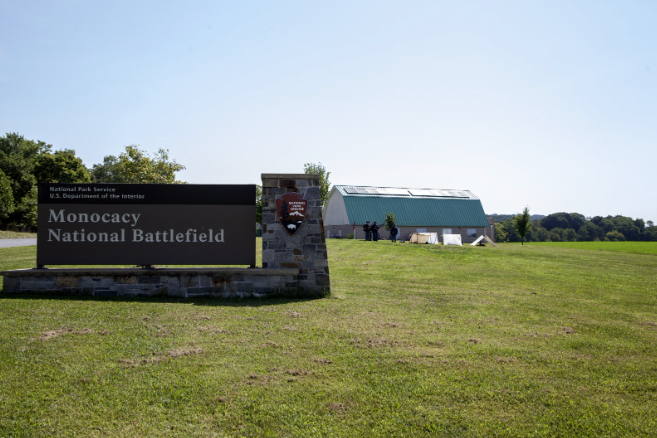
Walk the ground where a small Federal force helped save the nation’s capital. Monocacy National Battlefield will commemorate the 162nd anniversary of the Civil War Battle of Monocacy with four days of free public programs July 9-12.
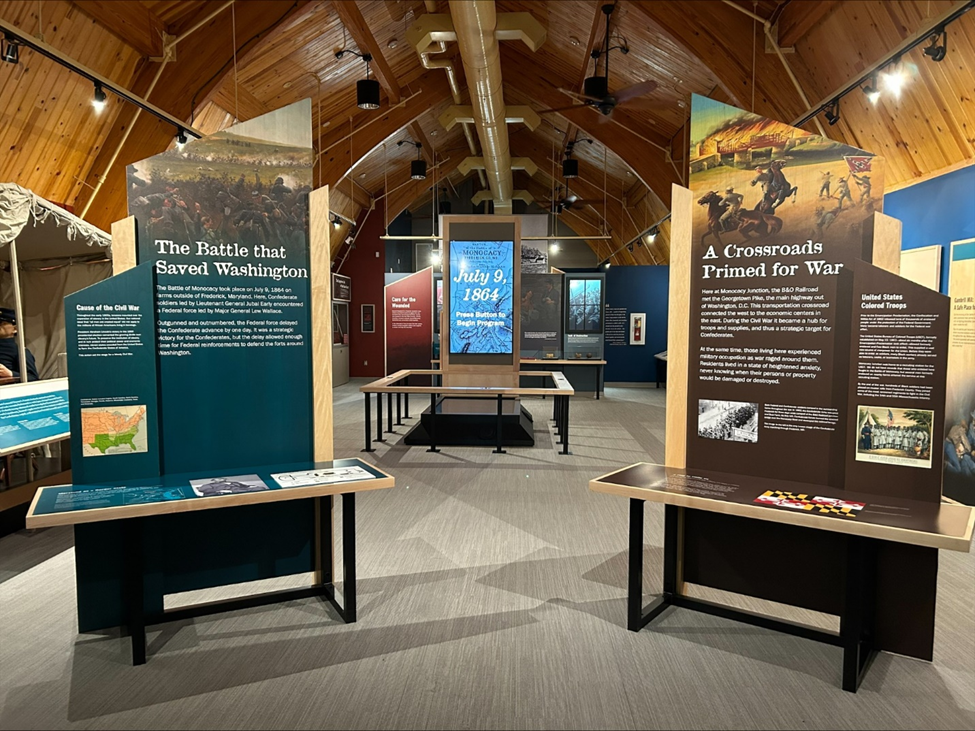
Visitors can explore interactive exhibits, stories, and artifacts at Monocacy National Battlefield’s redesigned museum. The park will dedicate the new museum at a grand opening ceremony where everyone can learn how the battle there, shaped American history. The event takes place at the park’s visitor center on Friday, April 3, 2026.
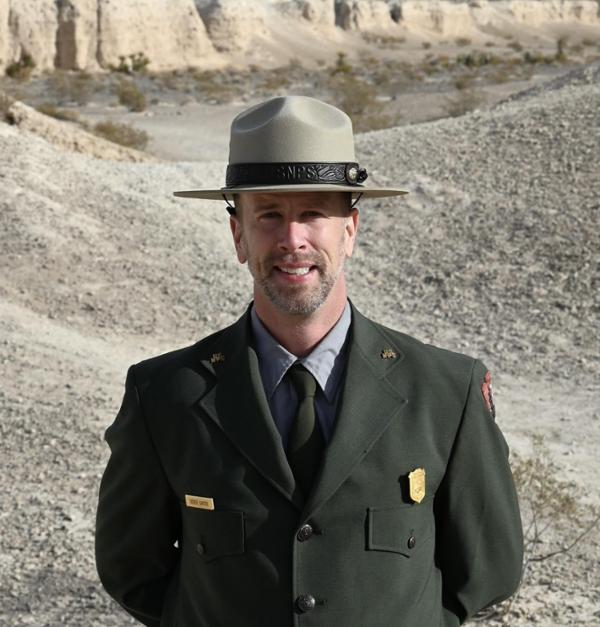
The National Park Service (NPS) has named Derek Carter as the new superintendent of Monocacy National Battlefield in Maryland. Carter, a Maryland native, begins his role today, and brings decades of leadership experience and a deep connection to the area.
Eight national parks in Maryland, Virginia, and the District of Columbia have concluded this year’s annual operations to reduce overabundant white-tailed deer. These parks donated more than 13,000 pounds of venison to local nonprofit organizations that will serve approximately 55,000 meals to families in need.
During recent white-tailed deer reduction operations and subsequent disease sampling at Harpers Ferry National Historical Park, two deer tested positive for Chronic Wasting Disease (CWD). Both animals were from the Jefferson County, West Virginia portion of the park. This is the first CWD-positive detection at Harpers Ferry National Historical Park.
During recent white-tailed deer reduction operations and subsequent disease sampling at Antietam and Monocacy national battlefields, the National Park Service (NPS) received positive test results for Chronic Wasting Disease (CWD). Two deer tested positive at Antietam and one at Monocacy. These are the first CWD-positive detections for national parks in the state of Maryland. However, CWD has been present in Maryland since 2010.
Most forests in eastern United States national parks are at risk due to browsing by overabundant white-tailed deer and crowding by invasive plants, according to a National Park Service (NPS) study published in the journal Ecological Applications.
A new National Park Service (NPS) report shows that 6,675,119 visitors to national parks in Maryland spent $246.6 million in the state in 2021. That spending resulted in 2,940 jobs and had a cumulative benefit to the state economy of $344.3 million.