
Alaska's investment recap needs clear lines between authority and delivery
Opinion: Alaska deserves transparent implementation measures for energy, military construction and public services, not an undifferentiated spending total.
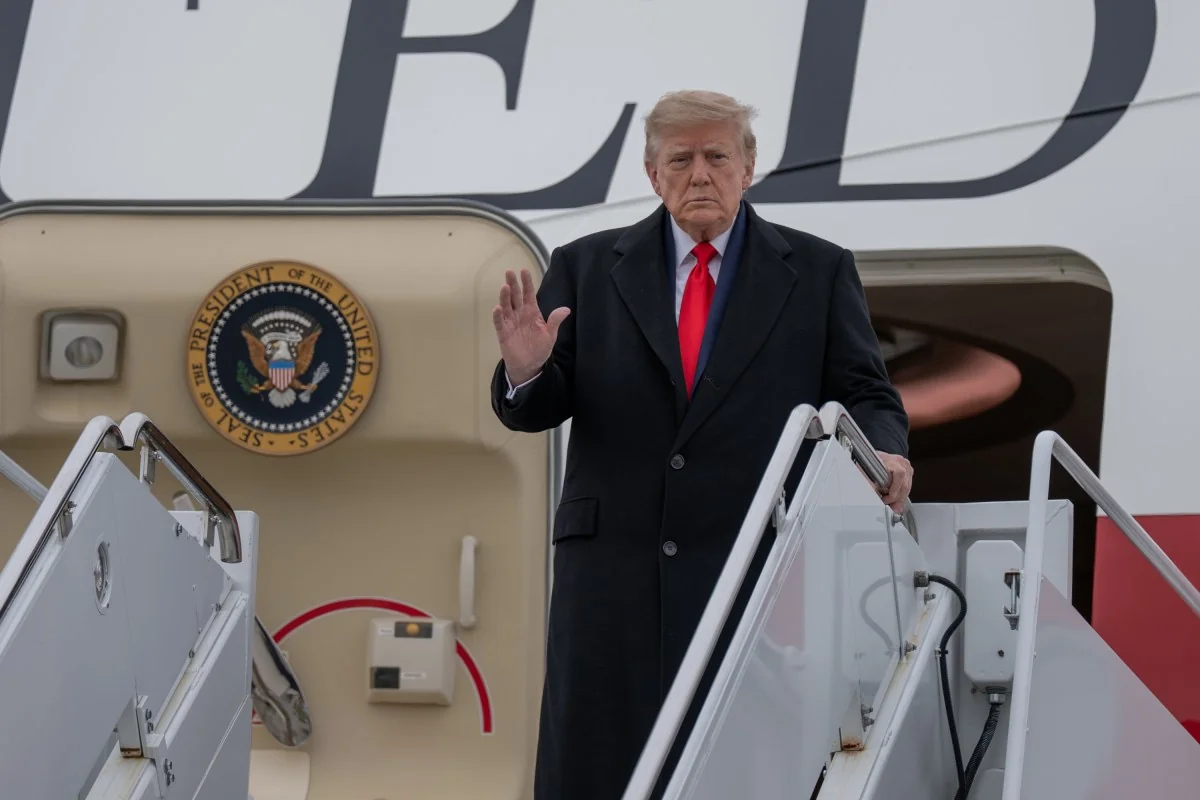
President Donald J. Trump disembarks Air Force One at Joint Base Elmendorf-Richardson in Anchorage, Alaska, Tuesday, October 13, 2026.
Official White House Photo by Molly Riley · Official image source · Image reuse terms
Evaluate Alaska's proposed development and military investment by executed projects and resident benefits, while keeping enacted spending, authorization language and future commitments visibly separate.
What the release says
The October 13 White House recap accompanies President Trump's Alaska visit and discusses tax provisions, energy and mineral development, fisheries, veterans' services and military facilities.
The administration describes first-year rural-health funding of about $272 million, an October power-line funding announcement of $150 million, and planned energy investment involving a gas pipeline. These statements combine different programs and stages of implementation.
The release separately lists military construction under enacted fiscal 2026 legislation and a fiscal 2027 defense-authorization bill that it says has passed the House. House passage is not enactment, and authorization should not be presented as money already spent.
Read the official release: President Trump Visits Alaska: Delivering Results for the Last FrontierOur centrist perspective
Power connections, veterans' access and military housing are tangible tests of the agenda. Publishing completion milestones and service outcomes would give Alaskans a better basis for judgment than adding together figures drawn from different legislative and investment categories.
The tradeoffs
Resource development and military construction can offer economic opportunity, but large projects also require attention to execution costs, local infrastructure and environmental effects. The promotional recap does not resolve those tradeoffs.
Projected employment and facilities in a House-passed bill remain contingent. Treating them as completed benefits would obscure decisions still to be made.
What to watch next
- Follow the fiscal 2027 bill's subsequent legislative status, project-specific funding decisions and construction progress.
- Compare claims about service improvements and lower energy costs with later operating results rather than treating those outcomes as guaranteed.
This is an editorial interpretation, not an official agency statement. Factual summaries rely on the linked release; implications and recommendations are our opinion. How we work