
STATE & NATION TRAVEL · news
Cape Hatteras visitors may see drone and ground crews treating invasive wetland reeds
By Staff Writer · Published October 14, 2026
NPS plans weather-dependent herbicide work over the next few weeks. The release explains expected vegetation changes but does not give a site-by-site schedule.
Official announcement: National Park Service · October 14, 2026
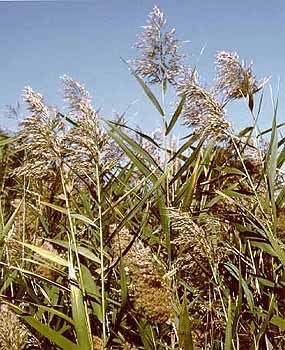
Cape Hatteras National Seashore is treating invasive common reed in designated wetland areas, according to an October 14 NPS release. The contracted project combines herbicide applications by unmanned aircraft with work by ground crews over the next few weeks, subject to weather.
NPS says the effort is intended to help native wetland vegetation recover where Phragmites australis has displaced other plants and altered habitat. Visitors may see aerial applications or crews at work. The agency also expects treated vegetation to change color as the herbicide takes effect; that visible change is part of the announced treatment process.
What Travelers Need to Know
Treat the next-few-weeks description as a weather-dependent work period, not a fixed completion date. The release does not identify individual treatment dates or provide a visitor-closure list.
Check the seashore's official updates for your planned stop rather than assuming this notice closes beaches or establishes unrestricted access to a work area. Follow any site-specific directions where crews are operating.
If you notice browning reeds near a treatment area, NPS says discoloration is expected during this project. The release does not establish that every patch of discolored vegetation has been treated. Questions about the work can be directed to the park at 252-473-2111.
About the Location
Cape Hatteras protects barrier-island landscapes along North Carolina's Atlantic coast. Its ecological setting includes much more than ocean beach: dunes, shrub thickets, maritime forest, ponds and salt marshes support different communities of plants and animals.
The park's plant guide identifies common reed infestations in intermittently flooded brackish flats, where the reed can exclude native wetland vegetation. That existing habitat description explains the focus of the new treatment announcement. It does not identify every stand involved in the current project or predict when a particular area will recover.