Woodstock's Civil War film earned recognition for a park–school partnership in 2006
By Staff Writer · Published 11/9/2026, 4:27:03 AM ET
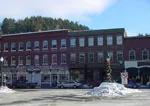
The Phoenix Block in Woodstock is among the village places connected to the Civil War home-front history described by NPS.
NPS Photo · Official image source · Public domain — No claim to original U.S. Government works.Source-based Travel reporting · National Park Service — Marsh-Billings-Rockefeller National Historical Park: original release (2006-07-13)
Archive report: Students, a local filmmaker and Vermont park staff turned home-front research into a dramatic reading and documentary. The historical notices do not establish a current screening or walking-tour schedule.
A film developed with Woodstock Union High School brought national recognition to Marsh-Billings-Rockefeller National Historical Park in 2006, according to a July 13 National Park Service release. Woodstock's Civil War: A Speakchorus documented students interpreting their community's wartime history through theater. This is an archive account, not an announcement of a new award or film screening.
NPS reported a Leadership in American History Award from the American Association for State and Local History for the film, which local filmmaker Charles Rattigan directed and produced. The agency separately reported that park superintendent Rolf Diamant received the Northeast Region's first NPS Civic Engagement Award. That second recognition concerned Diamant's leadership in the community-history work; it was not described as another film award.
The project grew from a ranger-led exploration of Woodstock's Civil War home front. Historian Howard Coffin helped guide the research, with rangers and student interns investigating local records and National Archives pension files. Theater director Harriet Worrell then developed a performance drawing on the tour's themes.
The film followed the production and ten student performers as they worked with historical material, including diaries and letters. The earlier NPS notice singled out seniors John Bergeron, Kate Miller and Adam Gould for reflections included in the documentary. Their participation connected the research to how young residents understood their own town, rather than treating local history solely as a collection of dates.
The July 2006 account dates the film's Town Hall premiere to April 14, 2005. The earlier announcement carries a May 28, 2005 release date while describing that April event in future tense. Read together, the notices place the premiere in 2005 and the award announcement in 2006; neither supplies an upcoming event date.
About the Location: The park lies just north of Woodstock village in Vermont. Designated in 1992, it preserves a conservation landscape associated with George Perkins Marsh and Frederick Billings, later donated by Mary F. and Laurance S. Rockefeller. The film project extended the park's interpretation into the surrounding village. NPS's historical tour description included a church associated with anti-slavery activity, the Phoenix Block and River Street Cemetery, linking the national conflict to local civic places.
What Travelers Need to Know: For a visit now, use the park's current seasonal guidance rather than the archived film notice. Checked November 9, 2026, NPS says the grounds and trails remain available during daylight hours. The mansion and visitor-center buildings close for the winter interval, which the agency defines as October 31 to Memorial Day weekend. The agency expects ranger programming to return in late May. A 2005 promise of a free premiere does not establish free admission to a present-day screening or a tour operating this winter.
NPS's home-front history page links a booklet for exploring the village route independently. Its historical account identifies the Phoenix Block as the location of Adjutant General Peter Washburn's wartime office and describes the role of the First Congregational Church in local opposition to slavery. That resource offers context for the film's setting, not a confirmed schedule of guided walks.
General parking is shared with Billings Farm & Museum off Route 12, about half a mile north of Woodstock. Consult the official quiet-season page for winter trail and pass distinctions before planning snow activities. No current film showing, ranger-led home-front tour or ticket inventory was confirmed in this review. Ask park staff at 802-457-3368 about the program appropriate to your travel date.
What it means
The partnership made the village itself part of the park's historical interpretation: students used local evidence to create a performance, and the documentary recorded that process. For readers exploring Woodstock's heritage, the releases explain the origins of that project. They should not be used as a current event calendar or as evidence that the original program continues unchanged.
Source
This State & Nation summary is based on National Park Service — Marsh-Billings-Rockefeller National Historical Park’s original release, dated 2006-07-13. The reporting above is attributed to the official sources linked here.
Supporting official sources
- NPS: complete July 13, 2006 award announcement
- NPS: original film-premiere notice dated May 28, 2005
- NPS: park history, location and visitor planning
- NPS: current quiet-season access guidance
- NPS: Civil War home-front history and self-guided route resource
- AASLH: association name and organizational background