Vermont park’s 2007 thinning plan tied forest health to historic stewardship
By Staff Writer · Published 11/17/2026, 12:16:53 AM ET
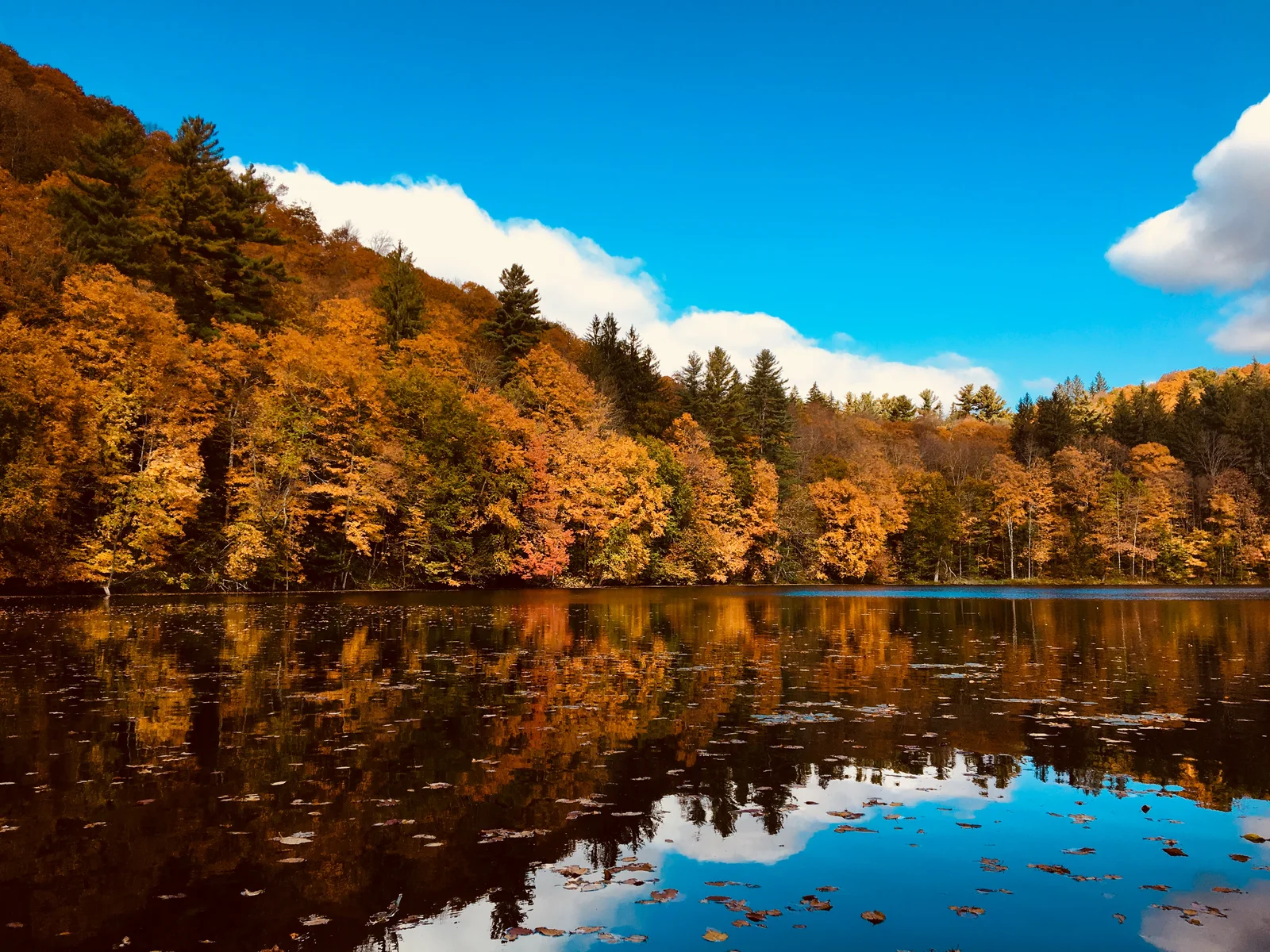
The Pogue in autumn at Marsh-Billings-Rockefeller National Historical Park. This NPS photograph provides landscape context; it does not document the 2007 thinning operation.
NPS Photo / Kyle Jones · Official image source · Public-domain NPS photograph; no claim to original U.S. Government worksSource-based Travel reporting · National Park Service, Marsh-Billings-Rockefeller National Historical Park: original release (2007-10-04)
Archive: NPS planned work in three forest stands totaling 27 acres near Woodstock. The old announcement is not a current trail-closure notice.
Marsh-Billings-Rockefeller National Historical Park announced plans on October 4, 2007, to thin three forest stands covering a combined 27 acres. NPS said the work would remove weaker trees so that healthier specimens could continue growing, while preserving examples of the property’s earlier forest management.
The proposed work covered the French red pine stand, another red pine stand near the Pogue and a Norway spruce plantation near Prosper Road. NPS connected the prescriptions to a forest management plan completed in 2006. Park staff developed the work with Redstart Forestry, and Long View Forest Contracting was to carry it out.
The schedule depended on ground conditions. Operations were expected to start in mid-October and continue until finished or interrupted by wet weather; the Prosper Road work was planned for early December or once the ground froze. NPS warned of temporary trail closures and said alternatives would be marked. The release does not document when those operations were actually completed.
About the Location: The park lies near Woodstock, Vermont, and was designated in 1992 to interpret conservation and land stewardship. George Perkins Marsh grew up on the property; Frederick Billings later developed it as a model estate, and Mary and Laurance Rockefeller continued its stewardship. The Mount Tom Forest remains a working forest as well as a visitor landscape, which helps explain why a preservation park would undertake selective cutting.
What Travelers Need to Know: This account concerns a 2007 plan. Its closure warning does not establish a present restriction or authorize entry into any current work zone. For a visit now, consult NPS’s current notices and quiet-season guidance rather than the old operating schedule.
For a November 2026 visit, a separate NPS notice schedules hazard-tree work for November 2–20 on sections of Mountain Road, Upper Meadow Road, Sugar House Road, McKenzie Road and Prosper Trail. It says foot traffic may be held for up to an hour during felling. Check the park’s daily information before a hike; that current work is not the 2007 project described here.
The quiet-season page checked November 17, 2026, says park buildings close between October 31 and Memorial Day weekend while grounds and trails remain available during daylight, subject to current conditions. Winter trail use has separate rules: designated multi-use routes do not require a pass, while skiing or snowshoeing elsewhere on the trail network requires a Nordic Center ticket or season pass. Check the current winter map before choosing a route.
What it means
The announcement shows how historic plantations and ongoing forestry were treated as parts of the same conservation landscape. It records the park’s objectives and intended methods in 2007, not proof of the work’s eventual results. A present-day visitor can use that history to understand the managed forest without mistaking a past work schedule for today’s access advice.
Source
This State & Nation summary is based on National Park Service, Marsh-Billings-Rockefeller National Historical Park’s original release, dated 2007-10-04. The reporting above is attributed to the official sources linked here.